
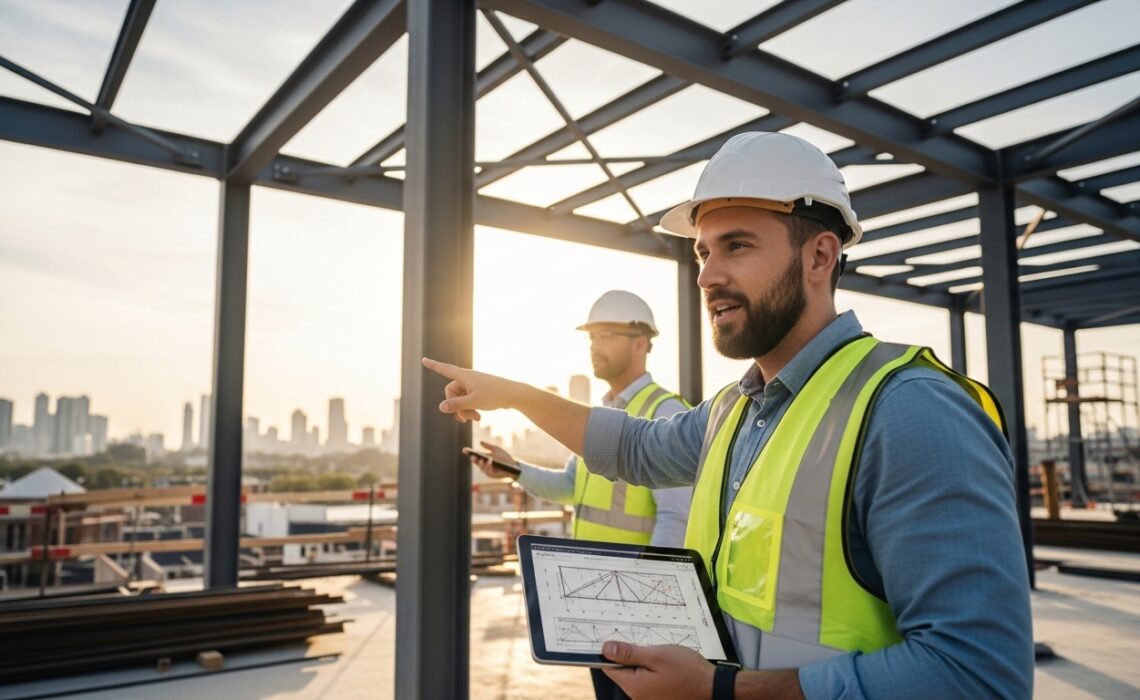
Construction projects today are more complex than ever. Whether developing commercial buildings, industrial facilities, residential communities, or public infrastructure, project teams face increasing demands for safety, efficiency, sustainability, and cost control. Achieving these objectives requires expertise that extends beyond architectural design and construction management.
This is where a Structural engineering consultant plays a critical role. From the earliest planning stages through project completion, structural engineering consultants provide the technical knowledge necessary to ensure that buildings and structures perform safely, efficiently, and reliably throughout their lifespan.
Their influence extends far beyond structural calculations. They contribute to risk management, project coordination, regulatory compliance, budget optimization, and long-term asset performance. As a result, their involvement often becomes a key factor in determining overall project success.
Understanding the Role of a Structural Engineering Consultant
A structural engineering consultant specializes in analyzing, designing, and evaluating the structural components of a building or infrastructure project. Their responsibility is to ensure that a structure can safely withstand the loads and environmental forces it may encounter during its lifetime.
These forces may include:
- Occupancy loads
- Wind pressure
- Earthquake activity
- Snow loads
- Equipment loads
- Soil movement
- Environmental conditions
Structural consultants work closely with architects, developers, contractors, and project managers to develop structural systems that align with both design objectives and safety requirements.
Their expertise helps transform architectural concepts into practical, buildable, and durable structures.
Establishing a Strong Foundation for Project Planning
Project success often depends on decisions made long before construction begins. Early involvement of a structural engineering consultant allows potential challenges to be identified during the planning phase.
Consultants evaluate factors such as:
- Site conditions
- Soil characteristics
- Building usage
- Structural requirements
- Material selection
- Construction feasibility
By assessing these elements early, they help project teams avoid costly design changes later in the process.
For example, identifying unsuitable soil conditions before construction begins can prevent foundation issues that may otherwise result in expensive delays and redesigns. Proactive planning creates a stronger foundation for project success from the outset.
Enhancing Safety and Structural Integrity
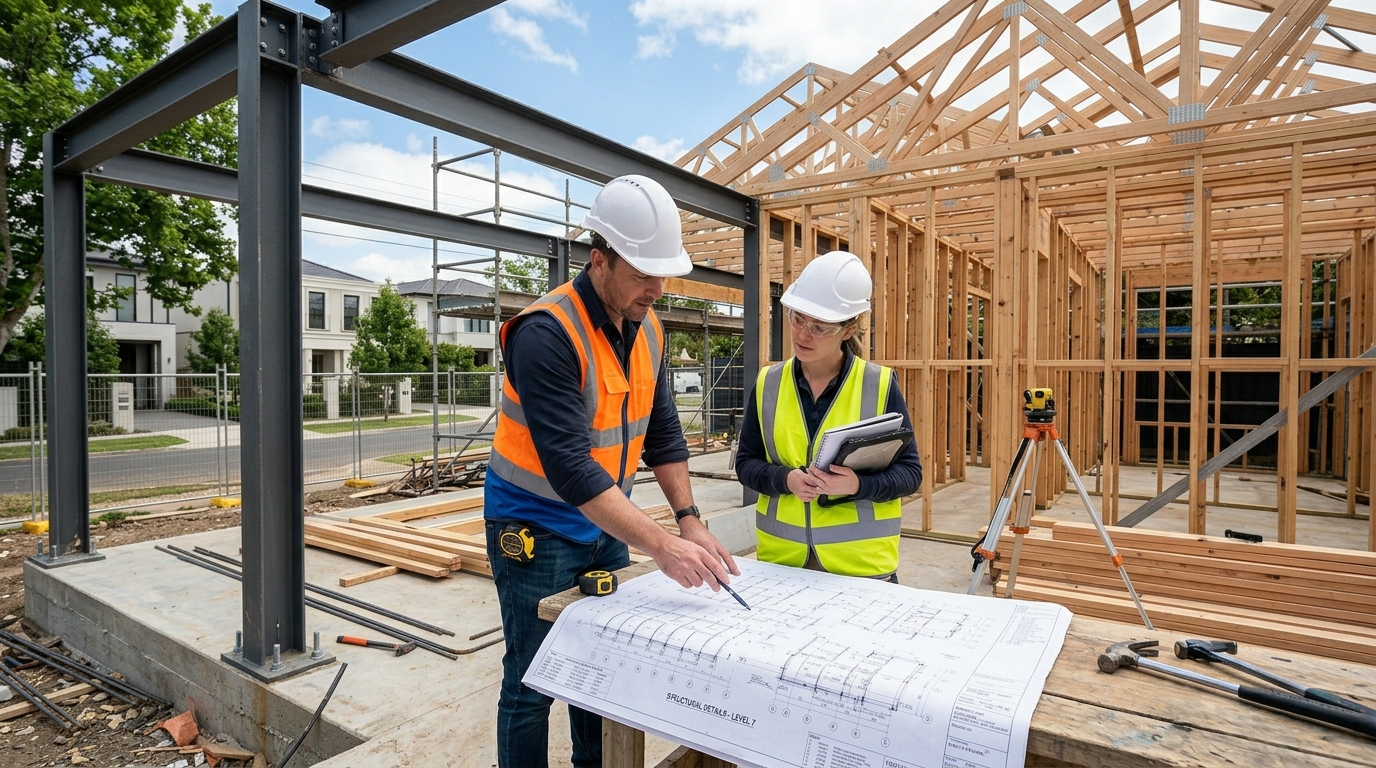
Safety remains one of the most important objectives of any construction project. A building’s structural system must be capable of supporting expected loads while maintaining stability under various conditions.
Structural engineering consultants conduct detailed analyses to ensure:
- Structural members are properly sized
- Load paths are correctly designed
- Foundations provide adequate support
- Building materials meet performance requirements
- Safety factors comply with industry standards
Without proper structural design, buildings may experience excessive movement, cracking, settlement, or even catastrophic failure.
By prioritizing structural integrity, consultants help protect occupants, property owners, and investors while minimizing long-term risks.
Supporting Regulatory Compliance
Modern construction projects must comply with a wide range of building codes, engineering standards, and regulatory requirements. Navigating these regulations can be challenging, particularly for complex developments.
A structural engineering consultant helps ensure compliance with:
- Local building codes
- Structural design standards
- Safety regulations
- Seismic requirements
- Wind resistance criteria
- Industry-specific guidelines
Failure to meet regulatory requirements can lead to permit delays, costly revisions, legal complications, and project disruptions.
Consultants provide the expertise needed to keep projects aligned with current regulations, reducing compliance-related risks throughout the project lifecycle.
Optimizing Construction Costs
One common misconception is that hiring engineering consultants increases project expenses. In reality, their expertise often generates substantial cost savings.
Structural engineering consultants evaluate multiple design options to identify solutions that balance performance and cost efficiency.
Their recommendations may include:
- Material optimization
- Efficient structural layouts
- Reduced construction complexity
- Improved foundation design
- Alternative structural systems
For example, selecting an appropriate framing system can reduce material usage without compromising structural performance. Small design improvements can create significant savings across large-scale projects.
By preventing overdesign and minimizing waste, consultants help maximize project value.
Reducing Construction Delays
Construction delays can have serious financial consequences. Missed deadlines may affect project financing, tenant occupancy, operational schedules, and contractual obligations.
Structural consultants help reduce delays by providing:
- Accurate engineering documentation
- Coordinated design solutions
- Construction support services
- Rapid response to technical challenges
During construction, unforeseen site conditions sometimes require design modifications. Having a structural engineering consultant involved allows issues to be addressed quickly and professionally.
Their ability to resolve technical concerns efficiently helps maintain project momentum and reduces costly interruptions.
Facilitating Better Collaboration
Successful construction projects rely on effective communication among multiple stakeholders. Architects, contractors, developers, project managers, and consultants must work together to achieve project objectives.
Structural engineering consultants serve as a critical link between design intent and construction execution.
They collaborate with:
- Architects to support creative design goals
- Contractors to improve constructability
- Mechanical and electrical engineers to coordinate systems
- Developers to manage budgets and schedules
This collaborative approach helps minimize conflicts, improve coordination, and ensure that all project disciplines work toward shared objectives.
Better communication often translates directly into smoother project delivery.
Improving Sustainability and Efficiency
Sustainability has become a major priority across the construction industry. Clients increasingly seek environmentally responsible solutions that reduce resource consumption and operational costs.
Structural engineering consultants contribute to sustainability by recommending:
- Efficient material usage
- Durable structural systems
- Adaptive building designs
- Reduced construction waste
- Long-lasting infrastructure solutions
Modern engineering software allows consultants to analyze multiple design alternatives and identify options that achieve both performance and environmental goals.
By integrating sustainability into structural design, consultants help create buildings that perform efficiently throughout their lifecycle.
Managing Risk Throughout the Project
Every construction project carries some level of risk. Structural failures, design errors, unexpected site conditions, and regulatory issues can create significant challenges.
A structural engineering consultant helps manage these risks through careful planning and technical oversight.
Risk management activities may include:
- Structural assessments
- Design reviews
- Site inspections
- Quality assurance processes
- Load analysis
- Material verification
Identifying potential vulnerabilities early allows corrective action to be taken before problems escalate.
This proactive approach reduces uncertainty and improves confidence among project stakeholders.
Supporting Long-Term Building Performance
Project success should not be measured solely by construction completion. The true value of a structure becomes evident through its long-term performance.
Buildings that experience recurring structural issues often require costly repairs, maintenance, and operational disruptions.
Structural engineering consultants focus on creating systems that remain durable and reliable for decades.
Their expertise supports:
- Reduced maintenance requirements
- Improved structural resilience
- Enhanced occupant safety
- Longer asset lifespan
- Greater return on investment
By considering future performance during the design phase, consultants help ensure that structures continue delivering value long after construction ends.
Conclusion
Construction projects succeed when safety, functionality, cost efficiency, and long-term performance come together effectively. Achieving this balance requires specialized expertise that extends beyond traditional design and construction practices.