
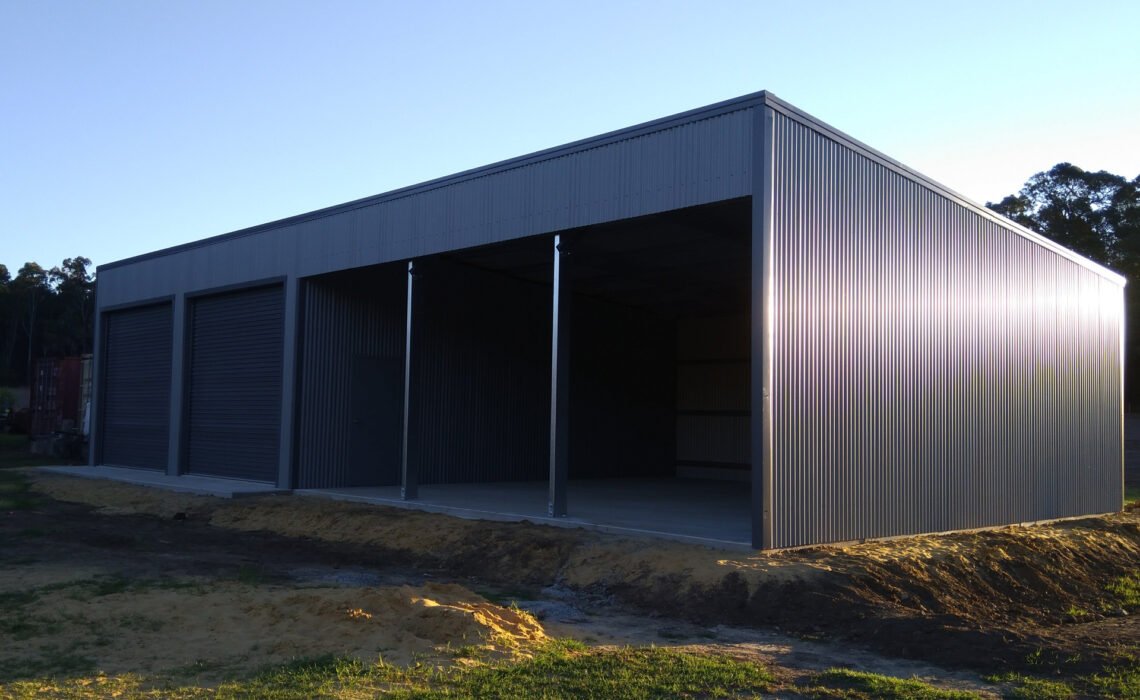
Whether you run cattle near Gisborne, grow grapes in the Yarra Valley or manage a few acres on the Mornington Peninsula, a well-built shed becomes the backbone of your daily work. Rural sheds Melbourne landowners invest in must store machinery, shelter animals and feed, and double as workshops, all while coping with some of the most changeable weather in the country. This guide covers what to think about before you commit to a design.
Why Steel Dominates the Market
Steel is the first choice for most rural sheds Melbourne property owners build, and the reasons are practical. It does not rot, warp or attract termites, and a quality coating protects it from the moisture that rolls through Victoria each winter. A steel frame can also span wide openings without internal posts, so tractors, balers and header trailers can move in and out without squeezing past columns. Compared with timber, steel kits are quicker to erect, so the building is working for you sooner and labour costs stay under control.
Start With the Job the Shed Must Do
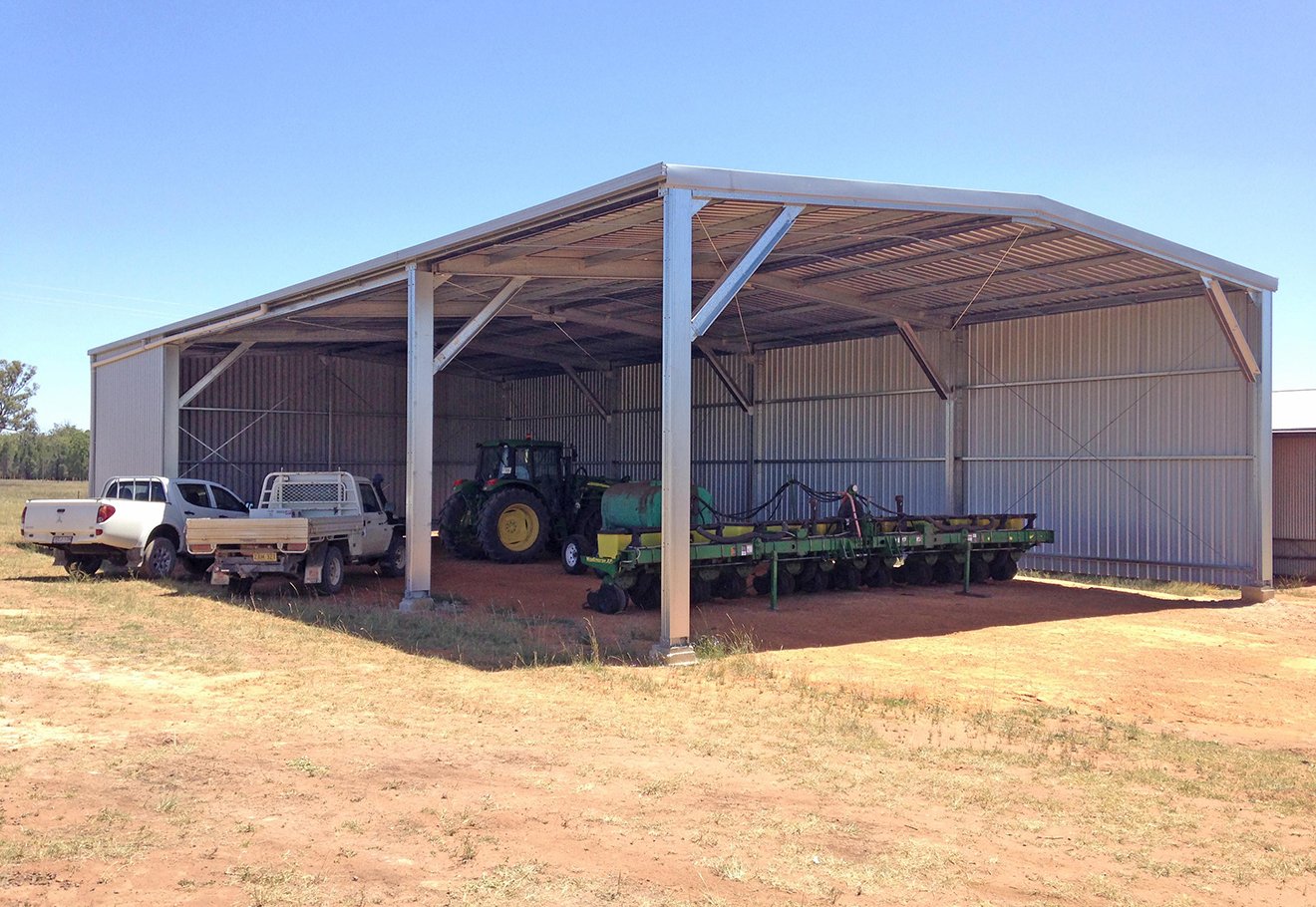
Before looking at prices, write down exactly what the building will hold. A hay shed needs generous airflow and a high roofline so stacked bales can be loaded by machine. A machinery shed needs tall roller doors and a strong concrete slab. A workshop calls for insulation, lighting and power points, while a stable or livestock shelter needs ventilation and easy-clean flooring. Many rural sheds Melbourne buyers choose combine several uses, such as a large bay for equipment with a smaller enclosed section for tools. Planning these zones early prevents costly changes later.
Built for Wind, Rain and Bushfire
Melbourne’s weather can swing from hot northerly gusts to cold, driving rain within a single afternoon. Every shed should therefore be engineered to the wind rating for its exact location. Open paddocks and hilltops face stronger loads than sheltered valleys, so the same design may need heavier framing in one spot than another. Ask your supplier for engineering documents that match your site rather than a generic plan.
Fire is the other major concern. Many rural properties around Melbourne sit inside bushfire-prone areas, where building rules may require ember-resistant materials and careful placement. Non-combustible steel is a sensible starting point, and keeping the shed clear of long grass and overhanging branches adds further protection. Good rural sheds Melbourne councils approve will usually show that these risks have been considered.
Size, Layout and Room to Grow
Most owners say the same thing a few years on: they wish they had built bigger. Equipment gets larger, herds expand and hobbies multiply. If your budget allows, choose a frame that can be extended later, because the best rural sheds Melbourne owners rely on grow with the business. Think about door positions too. Placing a large roller door on the side facing your main driveway saves reversing and turning time every day. Translucent roof sheets bring in natural light and cut electricity use, while gutters and downpipes connected to a water tank turn Melbourne’s rainfall into a useful resource for stock and gardens.
Permits and Approvals
Rules vary between councils, but most rural sheds Melbourne residents plan will need some form of approval, particularly if the building is large, close to a boundary or located in an overlay zone. Contact your local council early, and check whether a building permit, a planning permit or both are required. A reputable supplier will often help with drawings and documentation, which keeps the process moving. Starting this step before you order can save weeks of delay.
Foundations and Site Preparation
A strong shed depends on what lies beneath it. Many rural sheds Melbourne wide are built on reactive clay, which swells when wet and shrinks when dry. Poor preparation can lead to cracked slabs and misaligned doors. Have the site levelled, check that drainage carries water away from the building, and make sure the slab design suits your soil type. Spending a little more here protects the investment for decades.
Choosing the Right Supplier
Price matters, but it should not be the only measure. Look for a company that offers steel with a proper coating warranty, engineered designs, clear quotes and reliable delivery. Ask to see completed projects and speak with past customers if you can. A team that understands the area will know how local conditions affect design choices, from wind exposure to fire requirements. Check whether installation is included and confirm what is covered if something goes wrong.
Looking After Your Shed
Maintenance is simple but worthwhile. Wash salt and dirt from the walls once or twice a year, clear gutters before the wet season, check bolts and flashings after storms, and treat any scratches in the coating promptly. Keep vegetation trimmed back, and make sure doors run smoothly on their tracks. A little care keeps the structure looking good and working well for many years.
Final Thoughts
A shed is one of the biggest purchases a landowner makes, so it pays to plan carefully. Define its purpose, respect the local climate, secure the right approvals and choose a supplier you trust. Do that, and your rural sheds Melbourne project will deliver reliable shelter, storage and workspace for years to come. Whether you are building your first shed or adding to an established farm, the effort you put in now will repay itself every season.