
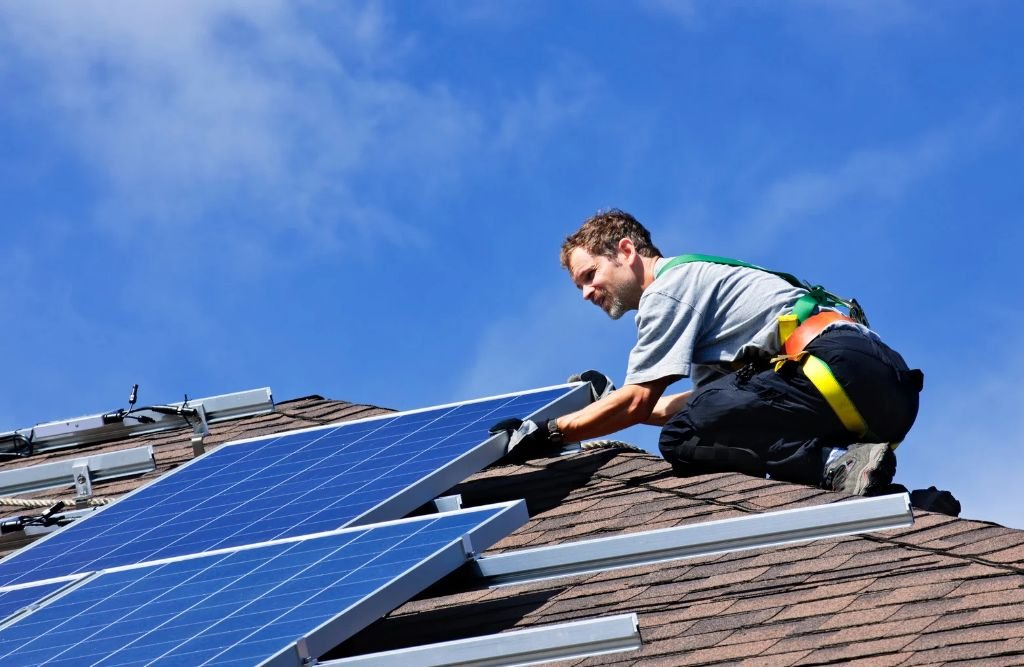
Choosing the right solar installer is one of the most important decisions when planning to switch to solar energy. With electricity prices becoming a concern for many Australian households, more homeowners are considering solar panels as a practical way to reduce energy costs and become less dependent on the electricity grid.
For residents in Pakenham, installing a solar system can be a worthwhile long-term investment. However, getting the best results depends on more than simply purchasing solar panels. The quality of the equipment, installation standards, system design and after-sales support all play an important role in determining how well your solar system performs.
With several companies offering solar solutions, knowing which provider to trust can sometimes be challenging. This guide explains what to look for when choosing a solar installer, which questions to ask and how to make a confident decision for your home.
1. Check the Installer’s Experience and Qualifications
The first thing to consider when comparing solar companies is their experience and professional qualifications. Solar installation involves electrical work, roof assessments and system configuration, so it is important to choose qualified professionals.
An experienced installer understands how different roof types, property layouts and household energy requirements affect solar performance. They can recommend a suitable system rather than offering the same package to every customer.
Before making a decision, check whether the installer:
- Has experience installing residential solar systems.
- Uses appropriately licensed electrical professionals.
- Employs installers accredited under the relevant Australian solar accreditation scheme.
- Can provide examples of completed installations.
- Offers clear information about warranties and installation standards.
You should also ask how long the company has been operating and whether its installation work is completed by its own team or subcontractors.
Taking time to verify these details can help you avoid inexperienced providers and unnecessary installation problems.
2. Understand Your Household’s Energy Requirements
Every household has different electricity consumption habits. A family that uses air conditioning throughout summer may need a different solar system from a smaller household that consumes most of its electricity during the evening.
Before recommending a solar package, a reliable installer should understand your electricity usage and future energy requirements.
Start by reviewing your recent electricity bills. These can help identify how much electricity your household consumes and when you use the most power.
Important factors include:
- Average daily electricity consumption.
- Number of people living in the property.
- Daytime and evening electricity usage.
- Existing electrical appliances.
- Plans to purchase an electric vehicle or additional appliances.
- Whether you are considering battery storage.
Professional solar installers Pakenham homeowners can consult should assess these factors before suggesting system capacity. A properly sized system helps balance installation costs with potential electricity savings.
Installing a system that is too small may not meet your needs, while purchasing a larger system than necessary could increase your upfront investment without delivering proportional benefits.
3. Compare Solar Panel and Inverter Quality
Solar panels and inverters are two essential components of any solar power system. Their quality can influence electricity production, system reliability and long-term performance.
However, not all solar products offer the same features, efficiency or warranty conditions.
When comparing solar packages, pay attention to the following:
Solar panels: Look at the manufacturer’s reputation, product warranty, performance warranty and efficiency rating. Higher-efficiency panels can be useful when roof space is limited.
Inverters: The inverter converts the electricity generated by solar panels into usable household electricity. Choose a suitable model from an established manufacturer with accessible warranty support.
Product compatibility: Ensure that the panels, inverter and other system components are compatible and designed to work together.
It is also worth checking whether the manufacturer has an Australian support network. If a component develops a fault, accessible technical assistance can make the repair process easier.
Rather than choosing a package based entirely on price, compare the quality and expected performance of the equipment being offered.
4. Look for a Solar System Designed for Your Roof
Your roof plays an important role in determining how much electricity your solar panels can generate. Factors such as roof direction, shading, available space and roof condition should be considered before installation.
In Australia, north-facing panels can often provide strong overall energy production. However, east-facing and west-facing panels can also be useful, particularly when household electricity consumption occurs during morning or afternoon hours.
A professional installer should inspect your property and explain the proposed panel layout.
For homes in Pakenham, the assessment should consider:
- Roof orientation and available installation space.
- Trees, neighbouring buildings and other shading obstacles.
- Roof condition and structural suitability.
- Panel positioning and ventilation.
- Potential changes to surrounding shading over time.
Avoid companies that provide a final system design without properly assessing your property.
A customised installation plan can help improve solar performance and reduce the possibility of future complications.
5. Compare Quotes Instead of Choosing the Cheapest Option
Getting multiple quotations is a sensible way to understand the market and compare available solar solutions.
However, the cheapest quotation is not necessarily the best value. Some low-priced packages may include lower-quality equipment, limited warranties or additional charges that are not clearly explained.
When comparing quotations from different solar installers, check whether they include:
| Item | What to check |
| Solar panels | Brand, model and capacity |
| Inverter | Manufacturer and specifications |
| Installation | Labour and installation charges |
| Warranty | Product and workmanship coverage |
| Monitoring | System monitoring availability |
| Additional costs | Switchboard or electrical upgrades |
| Support | Maintenance and after-sales assistance |
Ask each company to provide an itemised quotation so you can understand exactly what you are paying for.
You should also confirm whether the quoted price includes all necessary installation work, electrical components and applicable charges.
A transparent quotation makes it easier to compare providers and avoid unexpected expenses.
6. Check Warranty Coverage and After-Sales Support
Solar panels are designed to operate for many years, but like any electrical system, they may occasionally require maintenance or repairs.
This is why warranty coverage and after-sales support should be part of your decision.
Most solar systems come with different warranties for panels, inverters and installation workmanship. Make sure you understand what each warranty covers and how to make a claim.
Ask the installer these questions:
- What is the product warranty on the solar panels?
- How long is the inverter warranty?
- Is installation workmanship covered separately?
- Who handles warranty claims if a component stops working?
- Is technical support available after installation?
Reliable solar installers Pakenham residents are considering should provide clear answers to these questions before signing an agreement.
It is also important to check whether the company offers ongoing maintenance and performance monitoring. Having access to professional support can make managing your solar investment much easier.
7. Understand Government Rebates and Solar Incentives
Government incentives can help reduce the initial cost of installing solar panels in Victoria. However, eligibility requirements and available incentives can change, so homeowners should check the latest information before making a purchase.
The Australian Government’s Small-scale Renewable Energy Scheme (SRES) provides eligible solar installations with small-scale technology certificates (STCs), which can reduce the upfront system cost.
Victoria also has the Solar Homes Program, which offers eligible households access to solar-related rebates and interest-free loans, subject to current program conditions.
Before signing a contract, consider the following:
- Check your eligibility through the official Solar Victoria website.
- Confirm that the retailer is authorised under the relevant program.
- Verify that the proposed products meet eligibility requirements.
- Ask how government incentives are reflected in your quotation.
- Understand the final amount you need to pay.
You can visit Solar Victoria for current information about available rebates, eligibility and program requirements.
A trustworthy installer should explain applicable incentives without making unrealistic promises about guaranteed savings.
solar.vic.gov.au+2
8. Read Customer Reviews and Check Local Reputation
Online reviews can provide useful insights into a solar company’s reliability, communication and installation quality.
Before choosing a provider, spend some time reading customer feedback on Google and other independent review platforms.
Look beyond the overall star rating. Pay attention to what customers say about their actual experiences.
For example:
- Did the installation team arrive on time?
- Was the installation completed professionally?
- Did the company communicate clearly throughout the process?
- Were unexpected costs explained beforehand?
- Did the company respond when customers needed assistance?
You can also ask friends, neighbours or colleagues in the Pakenham area whether they have recently installed solar panels and would recommend their installer.
A company with a strong local reputation and a history of positive customer experiences may offer greater confidence than a provider relying entirely on promotional offers.
9. Ask the Right Questions Before Signing a Contract
Once you have shortlisted a few providers, arrange a consultation and discuss your requirements in detail.
A professional installer should be willing to explain the complete installation process without pressuring you into making an immediate decision.
Here are some important questions to ask:
- What solar system size would you recommend for my household?
- Which solar panel and inverter brands will be installed?
- Who will carry out the installation?
- Are the installers appropriately accredited and licensed?
- What happens if the system does not perform as expected?
- Are there any additional installation costs?
- Will you provide assistance with warranty claims?
- How long will the installation process take?
If you are comparing solar installers Pakenham homeowners can access, these questions will help you understand the differences between providers.
Always read the contract carefully and make sure the agreed equipment, installation details, costs and warranty conditions are included in writing.
10. Consider Whether Solar Battery Storage Is Right for You
Solar panels generate electricity during daylight hours, but many households consume a significant amount of electricity in the evening.
A solar battery allows you to store excess electricity generated during the day and use it later when solar production decreases.
Although battery storage increases the initial investment, it may provide additional benefits depending on your electricity usage and energy tariff.
Before purchasing a battery, consider:
- Your household’s evening electricity consumption.
- The battery’s usable storage capacity.
- Battery warranty and expected lifespan.
- Compatibility with your existing or proposed solar inverter.
- Whether backup power is available during a grid outage.
- The overall cost compared with potential savings.
You do not necessarily need to install a battery immediately. Some homeowners prefer to install solar panels first and consider battery storage later.
A knowledgeable installer can explain the available options and help you decide whether battery storage makes financial sense for your property.
Final Thoughts
Choosing the right solar company requires careful research, but spending time comparing your options can make a significant difference to your long-term experience.
From checking installer qualifications and comparing equipment to understanding warranties and government incentives, every step matters when investing in a solar energy system.
For homeowners planning to switch to renewable energy, choosing experienced solar installers Pakenham residents can trust is an important starting point. Look for a company that offers customised system designs, quality products, transparent pricing and dependable after-sales support.
Remember, the best solar installation is not necessarily the cheapest one. It is the system that suits your household’s energy requirements, performs reliably and delivers value over its working life.
By asking the right questions and comparing multiple quotations, you can make a more informed decision and enjoy the benefits of solar energy for years to come.
Frequently Asked Questions (FAQs)
- How do I choose the best solar installer in Pakenham?
Look for an experienced company with appropriately accredited and licensed installers, quality solar products, transparent quotations, strong customer reviews and reliable after-sales support.
- How many solar quotes should I get before choosing an installer?
It is generally recommended to obtain at least three quotations. This allows you to compare system specifications, equipment quality, installation costs and warranty coverage.
- Are solar panels worth installing in Pakenham?
Solar panels can be a worthwhile investment for Pakenham homeowners, depending on electricity consumption, roof suitability, system cost and available feed-in tariffs.
- Do I need a battery with my solar panel system?
No. A battery is optional. It can help store excess daytime electricity for evening use, but whether it is financially worthwhile depends on your household’s energy consumption and electricity rates.
- How can I check whether a solar installer is accredited in Australia?
You can verify an installer’s accreditation through Solar Accreditation Australia and check relevant licensing requirements with Energy Safe Victoria.