
Have you ever wondered what’s actually holding your house up? What keeps your floors level and your walls straight? And more importantly, how do you know if those hidden foundations are doing their job properly?
If you’re an Australian homeowner, chances are your property sits on stumps. These unsung heroes of home construction work tirelessly beneath your floors, bearing the weight of everything above. Yet most of us never give them a second thought until something goes wrong. Whether you’re building a new home, considering restumping, or simply curious about what lies beneath your floorboards, understanding the difference between concrete and timber stumps is essential knowledge.
In this guide, we’ll break down everything you need to know about house stumps. You’ll discover the pros and cons of both timber and concrete options, learn how Australian weather affects each material, and get a clear picture of costs involved. By the end, you’ll have the confidence to make an informed decision about your home’s foundation. Let’s get stuck into it.
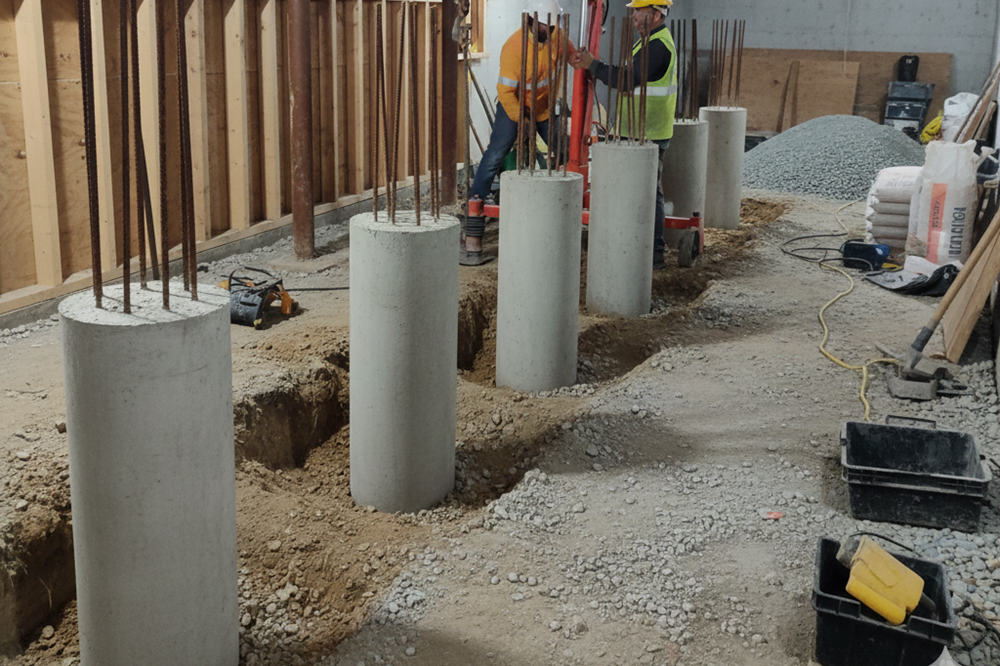
What Are House Stumps and Why Do They Matter?
House stumps are vertical supports that lift your home off the ground. They transfer the weight of your entire structure down to the footings and into the earth below. Think of them as the legs your house stands on.
Understanding the Role of Stumps in Your Home’s Structure
In traditional Australian construction, particularly with Queenslander and weatherboard homes, stumps create a gap between the ground and your floor. This design serves multiple purposes. It allows air circulation, helps manage moisture, and provides access for plumbing and electrical work.
How Stumps Affect Your Home’s Longevity and Safety
When stumps deteriorate, the consequences can be serious. Doors and windows start sticking. Floors become uneven or bouncy. In severe cases, structural damage can occur. Keeping your stumps in good condition isn’t just about comfort—it’s about protecting your investment and keeping your family safe.
Timber Stumps: The Traditional Choice
For generations, Australian homes relied on timber stumps. They were abundant, affordable, and did the job well. But are they still a smart choice today?
What Are Timber Stumps Made From?
Traditionally, hardwood species like red gum, ironbark, and grey box were popular choices. These dense timbers offered natural resistance to decay and insects. Today, treated pine is also commonly used, though it doesn’t match the durability of traditional hardwoods.
Benefits of Choosing Timber Stumps
Timber stumps have several advantages. They’re generally cheaper upfront than concrete alternatives. They’re easier to work with during installation, making them suitable for DIY-minded homeowners. Plus, they have a smaller carbon footprint during production compared to concrete.
Common Problems with Timber Stumps
Here’s where things get tricky. Timber is organic material, which means it’s susceptible to rot, especially in damp conditions. Termites absolutely love timber stumps—they’re basically an all-you-can-eat buffet. Ground movement can also cause timber to shift or sink over time.
How Long Do Timber Stumps Last?
With proper treatment and ideal conditions, quality hardwood stumps can last 20 to 50 years. However, in wet or termite-prone areas, you might see problems within 15 years. Regular inspections are essential.
Concrete Stumps: The Modern Alternative
Concrete stumps have become increasingly popular across Australia. But do they live up to the hype?
What Are Concrete Stumps?
Concrete stumps are pre-cast reinforced blocks made from cement, aggregate, and steel reinforcement. They come in various sizes and can be manufactured to precise specifications. Most modern restumping projects now favour concrete over timber.
Benefits of Choosing Concrete Stumps
The advantages are significant. Concrete doesn’t rot, doesn’t attract termites, and handles moisture like a champion. It’s incredibly strong and maintains its structural integrity for decades. Once installed, concrete stumps require virtually no maintenance.
Potential Drawbacks of Concrete Stumps
Nothing’s perfect, right? Concrete stumps cost more initially. They’re heavier, which can increase installation complexity and labour costs. In areas with highly reactive soils, concrete can sometimes crack under pressure. They’re also less environmentally friendly to produce.
How Long Do Concrete Stumps Last?
Here’s the good news—concrete stumps can last 50 to 100 years or more. That’s potentially the entire lifespan of your home. This longevity often makes the higher upfront cost worthwhile.
Concrete Stumps vs Timber Stumps: A Direct Comparison
Let’s put these two options head-to-head across the factors that matter most.
Durability and Lifespan
Concrete wins this round convincingly. While quality timber can last several decades, concrete outlasts it significantly. If you’re planning to stay in your home long-term, concrete offers superior peace of mind.
Cost of Installation and Long-Term Value
Timber is cheaper upfront—sometimes by 20-30%. However, when you factor in replacement costs and potential termite treatments, concrete often delivers better value over time. Think of it as paying more now to save later.
Maintenance Requirements
Timber stumps need regular inspections for rot, termite damage, and general deterioration. Concrete stumps? Virtually maintenance-free. That’s time and money back in your pocket.
Resistance to Termites and Pests
This isn’t even close. Termites can devastate timber stumps, sometimes causing thousands of dollars in damage before you even notice. Concrete? Termites can’t touch it.
Performance in Australian Weather Conditions
Australia’s climate varies dramatically. In humid coastal areas, timber struggles with moisture. In regions with reactive clay soils, concrete may face cracking risks. Both have their weather-related challenges, though concrete generally handles extremes better.
Environmental Impact and Sustainability
Timber has a lower production carbon footprint. However, shorter replacement cycles mean more resources used over time. Concrete production generates significant emissions, but its longevity reduces long-term environmental impact. It’s a nuanced debate.
Which Type of Stump Is Best for Australian Homes?
Location matters enormously when choosing stumps.
Best Options for Coastal and Humid Climates
If you’re in Queensland, coastal NSW, or anywhere with high humidity, concrete is your best bet. The moisture resistance alone makes it worth the extra investment. Timber simply doesn’t cope well with constant dampness.
Best Options for Dry and Arid Regions
In drier areas, timber remains a viable option. With less moisture to worry about, well-treated hardwood stumps can provide excellent service for many years at a lower cost.
Considerations for Queenslander and Heritage Homes
Heritage properties present unique challenges. Some council regulations may require maintaining traditional timber stumps for authenticity. Others allow concrete with appropriate aesthetic considerations. Always check local requirements first.
Signs Your Home Needs Restumping
Warning Signs of Stump Damage or Deterioration
Watch for these red flags:
- Doors or windows that stick or won’t close properly
- Visible cracks in walls, particularly around door frames
- Uneven or bouncy floors
- Gaps appearing between walls and ceilings
- Musty smells from under the house
If you notice any of these, it’s time to get a professional inspection.
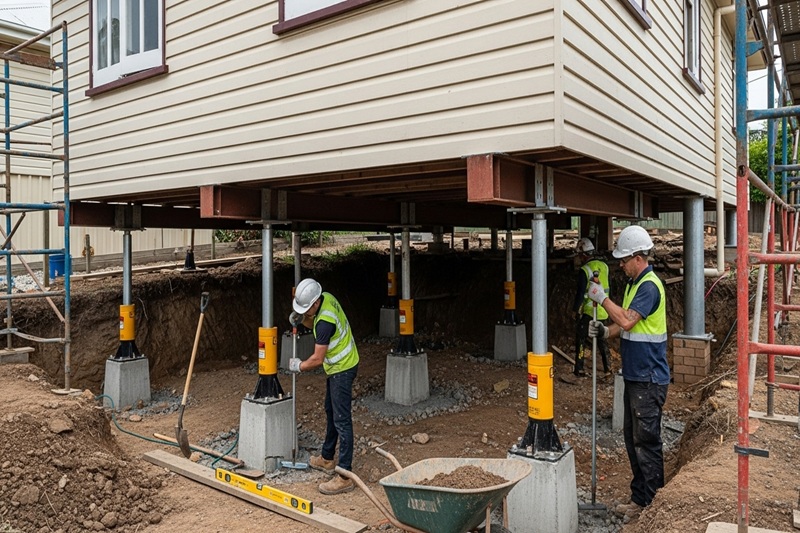
Can You Replace Timber Stumps with Concrete Stumps?
Absolutely! Many homeowners make this upgrade during restumping.
The Process of Upgrading from Timber to Concrete
The process involves temporarily supporting your home, removing old timber stumps, and installing new concrete ones. It’s not a DIY job—you’ll need licensed professionals with proper equipment.
Is It Worth Switching to Concrete Stumps?
In most cases, yes. If you’re already restumping, the marginal extra cost for concrete provides decades of additional service life. It’s a smart long-term investment.
Choosing the Right Stumping Option for Your Home
Questions to Ask Your Restumping Contractor
Before signing anything, ask:
- What’s your experience with my type of property?
- Can you provide references from similar jobs?
- What warranty do you offer?
- How long will the work take?
- What permits are required?
Final Thoughts on Concrete vs Timber Stumps
So, which is better for your home? The honest answer is: it depends.
Concrete stumps Ringwood offer superior durability, termite resistance, and long-term value. They’re the sensible choice for most Australian homes, particularly in humid or termite-prone regions. The higher upfront cost pays dividends over time through reduced maintenance and longer service life.
Timber stumps still have their place, especially for heritage properties, budget-conscious homeowners in dry climates, or situations where traditional aesthetics matter. They’re not inherently bad—they just require more attention and have a shorter lifespan.
Whatever you choose, the most important thing is making an informed decision. Get multiple quotes, ask plenty of questions, and don’t be afraid to seek expert advice. Your home’s foundation literally supports everything else—it deserves careful consideration. Good luck with your stumping journey, and here’s to many years of level floors and sturdy foundations!