
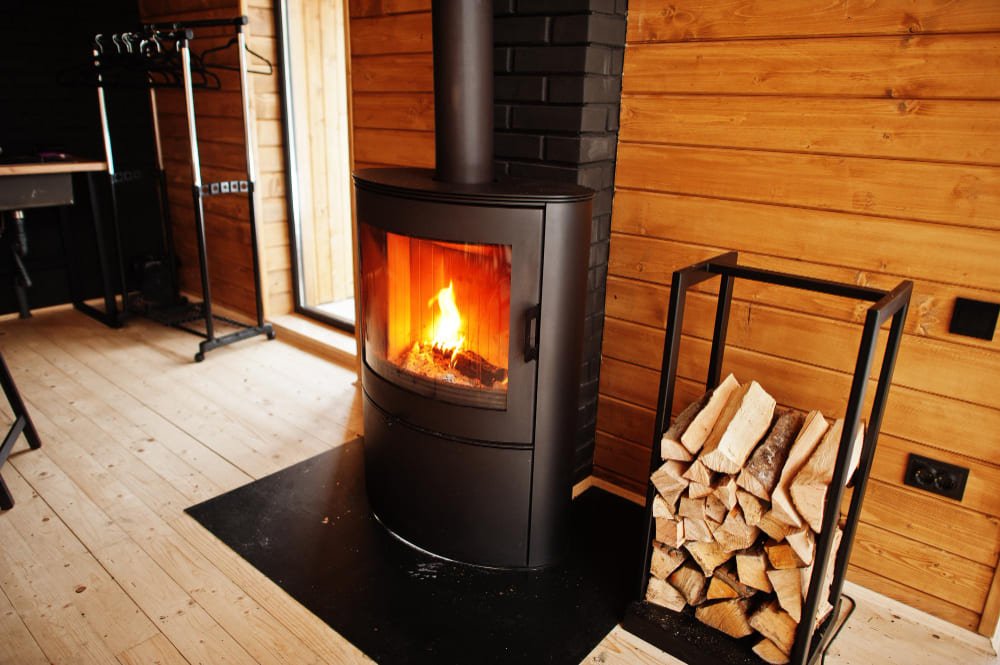
Have you ever wondered why so many Australian homeowners are turning back to wood heaters despite all the modern heating options available? What is it about the crackle of burning timber and the radiant warmth that makes wood heating such an enduring favourite? And more importantly, could a wood heater be the perfect solution for keeping your home cosy during those chilly winter months?
Wood heaters have been warming Australian homes for generations, and they’re far from outdated. In fact, modern wood heaters combine traditional charm with cutting-edge technology, delivering impressive efficiency and lower running costs than many alternatives. Whether you’re building a new home, renovating, or simply looking to upgrade your heating system, understanding how wood heaters work can help you make a smart decision.
In this guide, we’ll explore everything you need to know about wood heaters. From how they work and the benefits they offer to choosing the right size for your space, selecting the best firewood, and maintaining your heater for peak performance. We’ll also tackle common concerns about health and safety, running costs, and installation requirements. By the end, you’ll have all the information needed to decide whether a wood heater is right for your home.
What Is a Wood Heater and How Does It Work?
The Basic Mechanics of Wood Burning
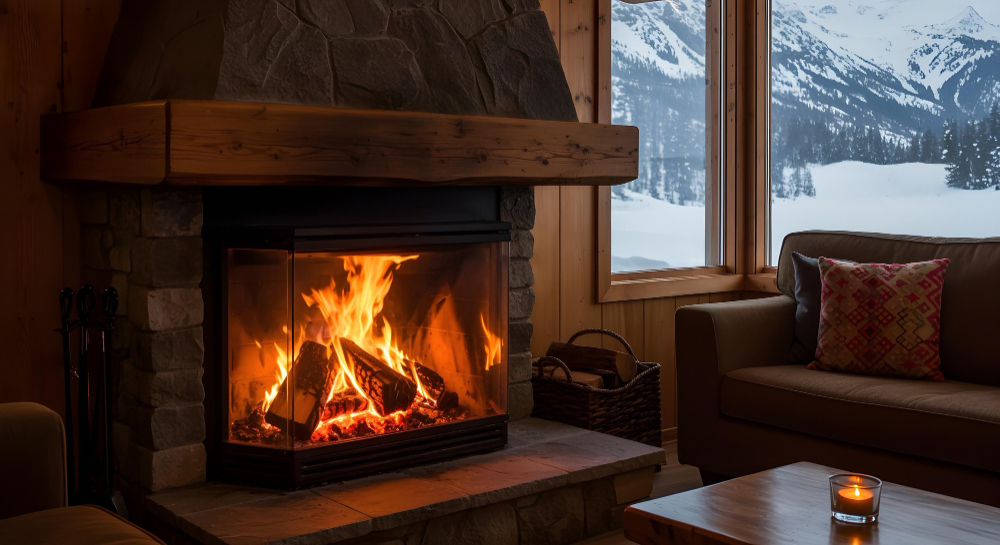
At its core, a wood heater is a controlled combustion appliance that burns timber to produce heat. When you light a fire inside the firebox, the wood undergoes combustion—releasing energy stored within the timber as heat. This heat then radiates outward, warming your living space directly.
Modern wood heaters feature airflow controls that regulate how much oxygen reaches the fire. By adjusting these controls, you can increase or decrease the burn rate, giving you control over heat output. The combustion gases and smoke travel up through the flue, exiting safely through your chimney.
Types of Wood Heaters Explained
You’ll find two main styles on the market: freestanding and inbuilt models. Freestanding heaters sit away from walls and radiate heat from all sides, making them incredibly efficient at warming large areas. Inbuilt models, on the other hand, slot into existing fireplaces or custom-built cavities, offering a sleeker, more integrated look.
There are also slow-combustion heaters, which burn wood more gradually at controlled temperatures. These models extract more heat from each log, making them more efficient than open fireplaces. Some contemporary designs even feature fans to distribute warm air throughout your home more evenly.
Benefits of Choosing a Wood Heater for Your Home
Cost Savings Compared to Gas and Electric Heating
One of the biggest drawcards of wood heating is the potential cost savings. Firewood is often significantly cheaper than electricity or gas, particularly if you have access to free or low-cost timber. Many rural Australians source wood from their own properties, dramatically reducing heating expenses.
Even when purchasing firewood, running costs typically remain lower than electric heating systems. Plus, wood heaters don’t rely on fluctuating energy prices, giving you more predictable heating bills throughout winter.
Environmental Considerations and Sustainability
When burned responsibly, wood is a renewable fuel source. Trees absorb carbon dioxide as they grow, and burning them releases roughly the same amount—creating a near carbon-neutral cycle. By sourcing locally grown, sustainably harvested timber, you’re choosing an eco-friendlier heating option.
Modern wood heaters also produce far less pollution than older models. With improved combustion technology, they burn cleaner and extract more heat from each piece of wood, minimising waste and emissions.
Reliability During Power Outages
Unlike electric heaters or gas systems with electronic ignition, wood heaters work completely independently of the power grid. When storms knock out electricity—something that happens regularly in parts of Australia—your wood heater keeps burning, keeping your family warm and safe.
Are Wood Heaters Efficient for Home Heating?
Understanding Efficiency Ratings
Efficiency ratings tell you how much heat a wood heater produces compared to the energy contained in the firewood. A heater with 70% efficiency converts 70% of the wood’s energy into usable heat. The remaining 30% escapes through the flue or remains as unburned residue.
Look for heaters certified to Australian Standards, which require a minimum efficiency rating. Higher-rated models cost more upfront but deliver greater savings over time through reduced firewood consumption.
Modern Wood Heaters vs Traditional Models
Older open fireplaces might look charming, but they’re shockingly inefficient—often below 15% efficiency. Modern slow-combustion heaters achieve 60-80% efficiency, extracting far more heat from each log. They also feature better sealing, insulation, and airflow management, maximising performance while minimising smoke.
How to Choose the Right Wood Heater for Your Space?
What Size Wood Heater Do I Need for My House?
Sizing matters enormously. A heater that’s too small won’t warm your space adequately, while an oversized model wastes fuel and may overheat rooms. Generally, you’ll need around 1kW of heating power per 10 square metres of floor space—though this varies based on ceiling height, insulation, and climate.
Freestanding vs Inbuilt Wood Heaters
Freestanding units radiate heat from all surfaces, making them ideal for open-plan living areas. Inbuilt models suit homes with existing fireplaces or those wanting a minimalist aesthetic. Consider your floor space, décor preferences, and heating requirements when choosing between them.
Key Features to Look For
Look for adjustable airflow controls, removable ash pans for easy cleaning, and large glass doors for fire viewing. Some models include cooktops for kettle boiling or even baking. Check for compliance with AS/NZS 4012 and AS/NZS 4013 standards, ensuring safety and efficiency.
What Is the Best Wood to Burn in a Wood Heater?
Hardwood vs Softwood: Which Burns Better?
Hardwoods like ironbark, red gum, and jarrah burn longer and produce more heat per kilogram than softwoods. Softwoods ignite easily, making them excellent kindling, but they burn quickly and leave more residue. For overnight burns and sustained warmth, hardwood is your best bet.
How to Store Firewood Properly
Store firewood undercover in a well-ventilated area for at least 12 months before burning. Properly seasoned wood contains less moisture, burns more efficiently, and produces less smoke. Stack logs off the ground on pallets to prevent moisture absorption and pest infestations.
Installation Requirements and Regulations
Australian Standards and Local Council Regulations
Wood heater installations must comply with Australian Standard AS/NZS 2918. Many councils have additional regulations regarding smoke emissions, clearances from boundaries, and flue heights. Check with your local council before purchasing to confirm any restrictions in your area.
Choosing a Qualified Installer
Always use a licensed installer experienced with wood heaters. Improper installation creates fire hazards and may void insurance policies. A qualified installer ensures correct clearances, safe flue installation, and compliance with all relevant standards.
Maintaining Your Wood Heater for Optimal Performance
How Often Should a Wood Heater Flue Be Cleaned?
Clean your flue at least once yearly, ideally before winter begins. Creosote buildup restricts airflow and creates chimney fire risks. Professional chimney sweeps have specialised equipment to thoroughly clean and inspect your system.
Daily and Seasonal Maintenance Tips
Empty ash pans regularly, leaving a small bed of ash to help ignite new fires. Check door seals annually for wear. Before each season, inspect the firebox, baffle plates, and flue for damage or deterioration.
Maximising Heat Efficiency: Tips and Tricks
How to Get the Most Heat from Your Wood Heater
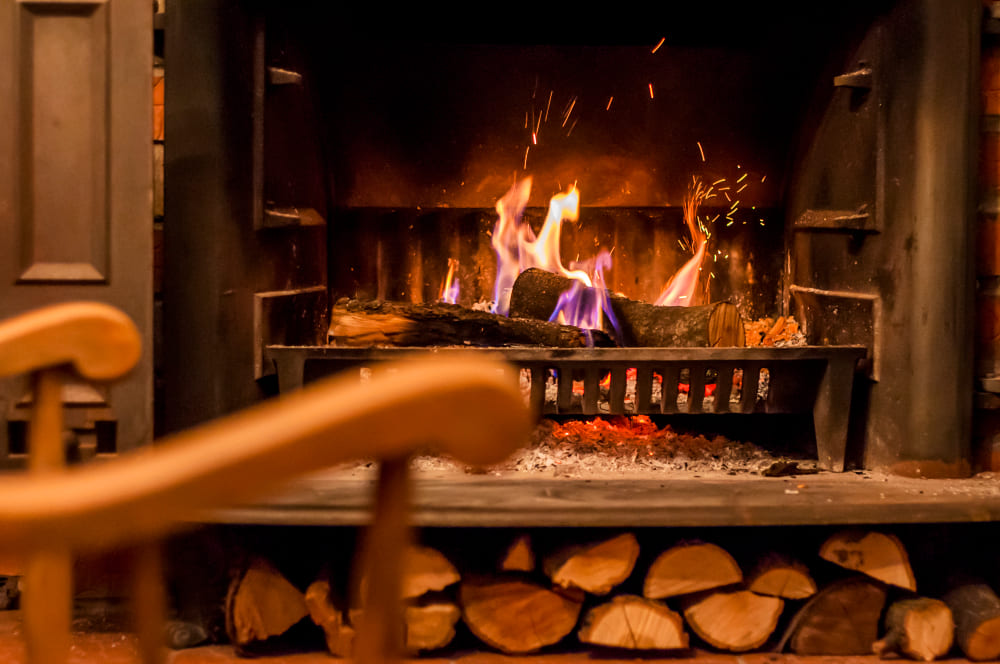
Burn well-seasoned hardwood and avoid overloading the firebox—smaller, hotter fires burn more efficiently than smouldering piles of wood. Keep air controls open during ignition, then reduce airflow once flames establish for controlled, sustained heat.
Using Fans and Heat Distribution Methods
Ceiling fans set to winter mode push warm air downward, improving circulation. Heat-powered stove fans sit atop your heater and distribute warmth without electricity. Consider strategic door positioning to direct heat flow throughout your home.
Is a Wood Heater Right for Your Home?
Choosing a wood heaters Australia is about more than just heating—it’s about creating a warm, inviting atmosphere while potentially saving money and reducing environmental impact. Modern models offer remarkable efficiency, reliability during blackouts, and that unmistakable cosy ambience that other heating systems simply can’t replicate.
Before deciding, consider your specific circumstances. Think about firewood availability in your area, installation requirements, and whether you’re prepared for the maintenance involved. Weigh up running costs against your current heating expenses and factor in the upfront investment.
If you’ve got access to affordable firewood, value independence from the electricity grid, and appreciate the authentic warmth only real flames provide, a wood heater could be perfect for you. Take your time researching models, consult qualified installers, and choose a heater sized correctly for your space. With the right setup, you’ll enjoy years of comfortable, cost-effective warmth throughout every Australian winter.