
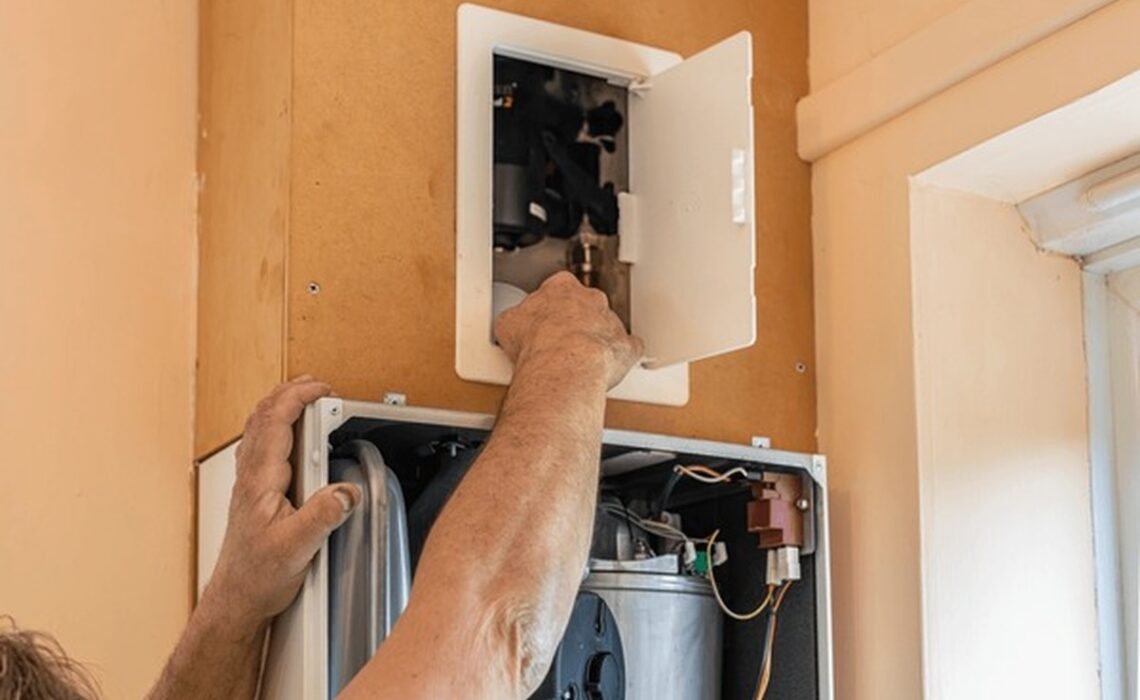
Ever wondered what actually happens during an electrical safety check? Are you feeling a bit nervous about having an electrician poke around your property? Perhaps you’re unsure whether your home even needs one in the first place?
You’re not alone. Many Australians put off electrical inspections simply because they don’t know what to expect. The good news is that preparing for an electrical safety check doesn’t have to be complicated. With the right knowledge, you can make sure the inspection runs smoothly and quickly. Plus, you’ll gain peace of mind knowing your property is safe for everyone inside it.
In this guide, we’ll walk you through everything you need to know about electrical safety check. From understanding why they matter to preparing your home room by room, you’ll find a thorough checklist that covers all the bases. We’ll also explore what electricians look for, how to read your inspection report, and what steps to take afterwards. Let’s get stuck into it.
What Is an Electrical Safety Check and Why Does It Matter?
An electrical safety check is a thorough examination of your property’s electrical system. A licensed electrician inspects everything from your switchboard to your power points, looking for potential hazards and compliance issues.
Understanding the Purpose of Electrical Safety Inspections
The main goal is simple: keeping you and your family safe. Faulty wiring, overloaded circuits, and damaged components can cause electrical fires or serious shocks. Regular inspections catch these problems before they become dangerous. In Australia, electrical faults contribute to thousands of house fires each year, making these checks genuinely important.
How Often Should You Have an Electrical Safety Check?
For homeowners, experts recommend an inspection every five years for newer properties and every two to three years for older homes. If you’ve recently purchased a property, had renovations done, or noticed anything unusual with your electrics, book one straight away. Landlords have specific legal requirements to meet, which we’ll cover shortly.
The Difference Between Electrical Safety Checks and Electrical Inspections
While people often use these terms interchangeably, there’s a subtle difference. A safety check typically focuses on identifying hazards and basic compliance. A full electrical inspection is more extensive, often required for insurance purposes or property sales. Both involve a qualified electrician examining your system, but the scope and documentation may differ.
Who Needs an Electrical Safety Check?
Whether you own your home, rent it out, or run a business, electrical safety affects you directly.
Homeowners: When and Why You Should Book an Inspection
If you’ve owned your home for several years without an inspection, now’s the time. Older properties, particularly those built before the 1980s, may have outdated wiring that doesn’t meet current safety standards. Even newer homes benefit from regular checks, especially after storms, renovations, or if you’ve noticed flickering lights or tripping circuits.
Landlords and Rental Property Requirements
Australian landlords have legal obligations to ensure rental properties are electrically safe. Specific requirements vary by state, but most require safety switches on power circuits and regular inspections. Failing to comply can result in hefty fines and, more importantly, puts your tenants at risk. Keep detailed records of all inspections and repairs.
Business Owners and Commercial Property Obligations
Commercial properties face stricter regulations. Workplace health and safety laws require business owners to maintain safe electrical systems. Regular inspections protect your employees, customers, and your business from liability. Many insurance policies also require proof of electrical compliance.
Preparing Your Home for an Electrical Safety Check
A little preparation goes a long way in making sure your inspection runs efficiently.
Clearing Access to Your Electrical Switchboard
Your electrician needs easy access to your switchboard, often called the fuse box. Clear away any boxes, furniture, or clutter blocking it. If your switchboard is in a cupboard or garage, make sure there’s at least a metre of clear space in front of it. This allows the electrician to work safely and thoroughly.
Ensuring All Power Points and Switches Are Accessible
Walk through each room and check that furniture isn’t blocking power points. Pull out any heavy appliances that might obstruct access, such as fridges or washing machines. The easier it is for your electrician to reach everything, the quicker the inspection will be.
Checking Smoke Alarms Before the Inspection
While smoke alarms are often checked separately, they’re an important part of electrical safety. Test each alarm by pressing the button and ensure batteries are fresh. If any alarms are hardwired, the electrician will likely include these in their assessment.
Documenting Any Existing Electrical Issues or Concerns
Make a list of anything you’ve noticed that seems off. Flickering lights, buzzing sounds, warm power points, or circuits that trip frequently are all worth mentioning. This helps your electrician focus on problem areas and provides valuable context for their assessment.
Exterior Preparation: Outdoor Electrical Components
Don’t forget your outdoor electrics. Clear pathways to external power points, pool pumps, garden lighting, and air conditioning units. Trim back any plants covering electrical components.
What to Do With Appliances Before the Inspection
You don’t need to unplug everything, but avoid running high-power appliances during the inspection. Let your electrician know if any appliances must stay on, such as medical equipment or fish tanks.
How Long Does an Electrical Safety Check Take?
Most residential inspections take between one and two hours, depending on your property’s size and age. Larger homes or properties with complex systems may take longer. Plan to be home during the inspection in case your electrician has questions.
What Do Electricians Look For During a Safety Check?
Understanding what’s being assessed helps you appreciate the inspection’s value.
Switchboard Condition and Safety Switches
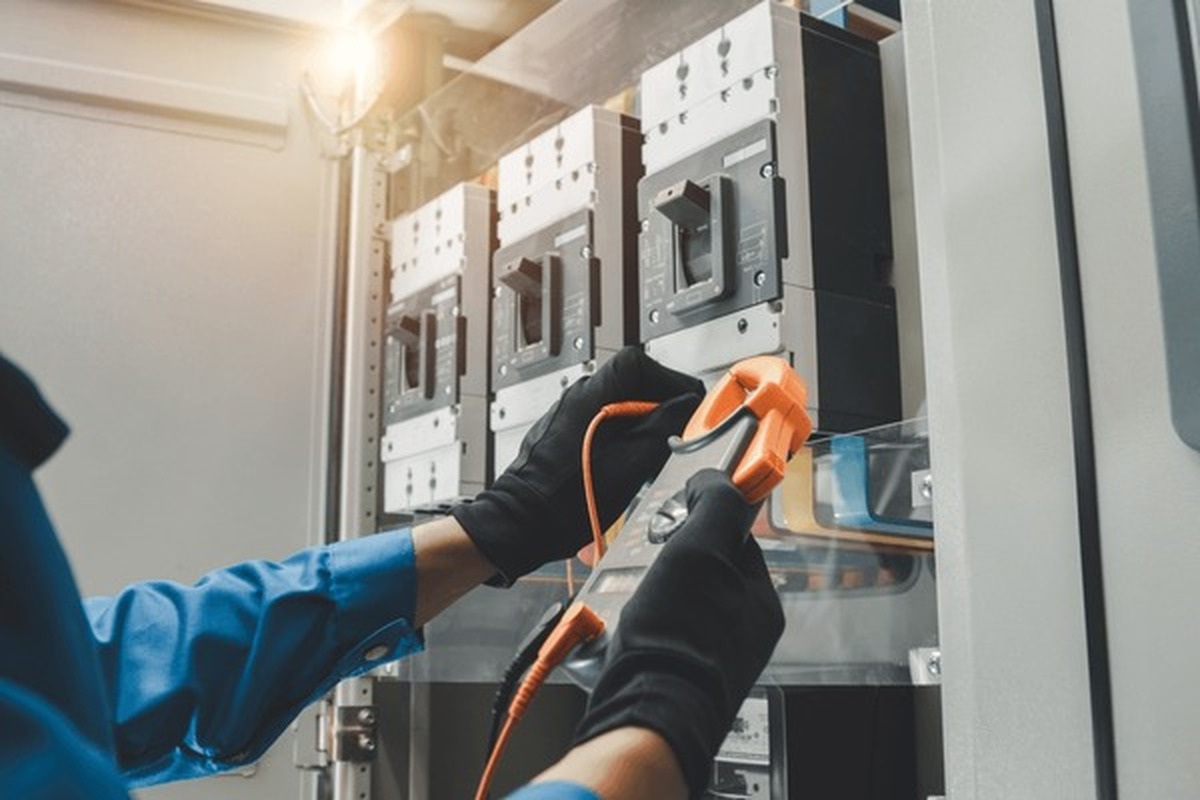
Your switchboard is the heart of your electrical system. Electricians check for outdated components, proper labelling, and the presence of safety switches (RCDs). These devices prevent electrocution by cutting power within milliseconds if they detect a fault.
Wiring Integrity and Potential Hazards
Wiring can deteriorate over time due to age, pests, or environmental factors. Electricians look for signs of damage, wear, or non-compliant installations. They’ll also check for DIY work that might not meet Australian standards.
Power Point and Light Fitting Assessments
Each power point and light fitting gets examined for damage, correct wiring, and secure connections. Loose fittings or damaged covers can create serious hazards.
Earthing and Bonding Compliance
Proper earthing protects you from electrical shock by providing a safe path for fault currents. Your electrician will verify that earthing and bonding meet current requirements.
Common Electrical Issues Found During Inspections
Knowing what problems often arise helps you understand your inspection results.
Outdated Wiring and Why It’s a Safety Risk
Properties built before the 1980s often have wiring that doesn’t meet modern standards. Older wiring types can become brittle, increasing fire risk. Replacement may be recommended for safety reasons.
Overloaded Circuits and Warning Signs
Too many appliances on one circuit can cause overheating. Signs include frequently tripping breakers, warm power points, or a burning smell. Overloaded circuits need professional attention.
Faulty Safety Switches and RCDs
Safety switches save lives, but only if they work properly. Regular testing and professional inspection ensure they’ll function when needed.
Can You Do Your Own Electrical Safety Check?
While you can perform basic visual checks, only a licensed electrician should conduct official inspections. Electrical work is dangerous and illegal for unlicensed individuals in Australia.
Understanding Your Electrical Safety Check Report
Your inspection report provides crucial information about your property’s electrical health.
What Does a Certificate of Compliance Mean?
A certificate of compliance confirms your electrical system meets Australian safety standards. It’s often required for property sales, insurance, and rental agreements.
What Happens If Your Property Fails the Inspection?
Don’t panic if issues are found. Your electrician will explain what needs fixing and provide a quote for repairs. Prioritise safety-critical items first.
Choosing a Qualified Electrician for Your Safety Check
Not all electricians are equal. Look for licensed professionals with experience in safety inspections.
What Qualifications Should an Electrician Have?
In Australia, electricians must hold a valid licence for your state or territory. Ask for their licence number and verify it through your state’s regulatory body. Check online reviews and ask for references.
Questions to Ask Before Booking Your Inspection
Ask about their experience with safety inspections, what’s included in the check, and request a written quote. Confirm they’ll provide a detailed report afterwards.
Your Path to Electrical Safety Starts Now
Preparing for an electrical safety check doesn’t need to be stressful. By following this checklist, you’ll ensure your inspection runs smoothly and thoroughly. Clear access to all electrical components, document any concerns, and choose a qualified electrician you trust.
Remember, these inspections aren’t just about ticking boxes or meeting legal requirements. They’re about protecting your family, your property, and your peace of mind. Electrical faults can be silent dangers, lurking behind walls and inside switchboards without obvious warning signs.
Whether you’re a homeowner, landlord, or business owner, make electrical safety a priority. Book your inspection today, address any issues promptly, and create an ongoing maintenance schedule. Your future self will thank you for taking this important step towards a safer property.