
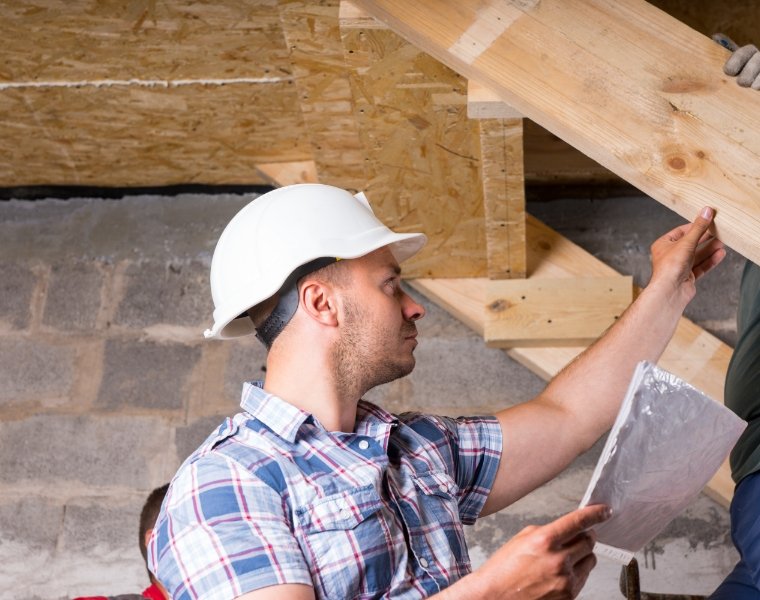
Building a new home is an exciting investment, but ensuring that every part of the construction meets the expected standards requires careful attention. From the initial foundation to the final finishing touches, each construction stage plays an important role in determining the property’s quality, safety and durability. This is where stage inspections Brisbane services can make a valuable difference for homeowners, property investors and anyone planning a new build.
Rather than waiting until construction is complete to identify problems, stage inspections allow potential issues to be detected while they are still easier and more affordable to address. With professional assessments at important construction milestones, property owners can gain greater confidence that their homes are progressing as expected.
What Are Stage Inspections and Why Are They Important?
Stage inspections involve assessing a property at specific points throughout the building process. An independent building inspector examines completed construction work, identifies visible defects and checks whether the work appears consistent with approved plans, relevant standards and expected building practices.
These inspections are particularly valuable because many construction elements become hidden as the project progresses. For example, structural components, waterproofing membranes and internal plumbing may be covered by subsequent work. Identifying concerns before they are concealed can help prevent expensive repairs later.
For Brisbane homeowners, arranging inspections throughout construction provides an additional layer of protection and helps encourage better communication between builders and property owners.

Understanding the Main Stages of a Building Inspection
Different construction milestones require different types of assessment. Understanding what happens during each inspection helps homeowners make informed decisions.
- Pre-Slab and Foundation Inspection
The foundation provides the structural support for the entire building. Before concrete is poured, an inspector can assess visible preparation work, including site conditions, reinforcement placement, formwork and other accessible components.
Identifying concerns at this stage is important because foundation-related problems can affect the property’s long-term stability. A timely inspection gives homeowners an opportunity to raise questions before the concrete work moves forward.
- Frame Stage Inspection
Once the building frame has been constructed, inspectors can examine accessible structural elements, including wall frames, roof framing, connections and bracing.
This stage is important because the frame forms the property’s structural framework. Checking visible workmanship before internal linings and external coverings are installed makes it easier to identify potential issues.
A detailed frame inspection can also help identify concerns involving alignment, connections and other visible construction details.
- Lock-Up and Waterproofing Inspection
The lock-up stage generally occurs when external doors, windows and wall coverings have been installed. Depending on the inspection scope, this milestone may provide an opportunity to assess visible installation quality and weatherproofing details.
Waterproofing is another important consideration, particularly in bathrooms, laundries and other wet areas. Poor waterproofing can contribute to moisture penetration, mould growth and deterioration of building materials.
Identifying visible concerns before tiles and other finishes are installed can reduce the likelihood of costly future rectification.
- Practical Completion Inspection
The final inspection takes place when construction is substantially complete. It provides an opportunity to identify visible defects, incomplete work and finishing issues before the homeowner accepts the property.
Inspectors may assess doors, windows, flooring, walls, ceilings, fixtures, fittings and other accessible areas. Any identified concerns can be documented in a report for further discussion with the builder.
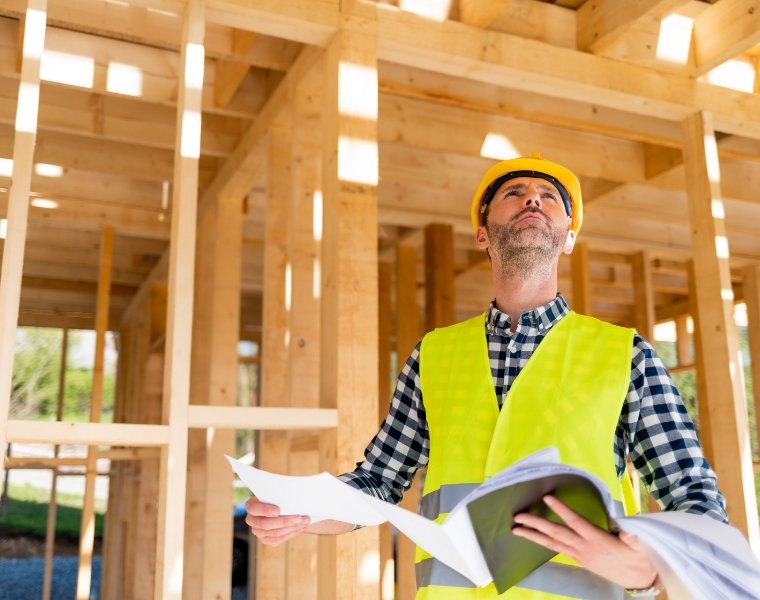
Benefits of Professional Stage Inspections Brisbane Services
Arranging independent inspections throughout construction offers several practical advantages.
Early Defect Identification: Problems can be discovered before they become hidden behind plasterboard, flooring, tiles or other building materials.
Better Construction Quality: Regular assessments encourage attention to workmanship and help homeowners monitor construction progress.
Reduced Repair Expenses: Addressing an issue during construction may be more straightforward than repairing the same problem after moving into the property.
Improved Communication: Written inspection reports provide useful information that homeowners can discuss with their builders.
Greater Peace of Mind: Knowing that important construction milestones have been independently assessed can make the building journey less stressful.
Why Local Knowledge Matters When Building in Brisbane
Brisbane has a range of environmental and building considerations that homeowners should understand when planning a new property.
Heavy rainfall, humidity, changing weather conditions and local site characteristics can influence building performance. Effective drainage, suitable waterproofing, appropriate material selection and sound construction practices all contribute to a property’s long-term condition.
A professional familiar with Brisbane construction considerations can help identify visible concerns that deserve further investigation.
Homeowners should also understand that inspections are generally visual and non-invasive. They do not replace council inspections, mandatory certification, engineering assessments or the builder’s legal responsibilities.
When Should You Arrange a Building Stage Inspection?
The best approach is to organise inspections before important construction elements become covered by subsequent work.
Ideally, homeowners should discuss an inspection schedule with an independent inspector before construction begins. This makes it easier to coordinate access with the builder and arrange assessments at suitable milestones.
Booking early also reduces the risk of missing important inspection opportunities due to construction delays or unexpected scheduling changes.
How to Choose the Right Building Inspector
Selecting an experienced and appropriately qualified inspector is an important part of protecting your investment.
Before making a decision, consider the following:
- Experience: Look for professionals with relevant residential construction inspection experience.
- Qualifications: Check appropriate training, credentials and professional memberships.
- Detailed Reporting: Choose an inspector who provides clear reports, photographs and explanations of identified concerns.
- Independence: An independent assessment can provide an additional perspective on construction quality.
- Communication: The inspector should be willing to explain findings and answer reasonable questions.
It is also worth confirming the inspection scope, pricing, insurance arrangements and expected report delivery time before booking.
Frequently Asked Questions About Stage Inspections Brisbane
How many stage inspections should I arrange during construction?
The number depends on the building contract, construction method and project requirements. Common milestones include pre-slab, frame, lock-up and practical completion.
Can an inspection identify every building defect?
No. Most stage inspections are visual and limited to accessible areas at the time of assessment. Concealed defects and specialist issues may require additional investigation.
Should I arrange an independent inspection if my builder already conducts quality checks?
Independent inspections can provide an additional perspective. They complement, rather than replace, the builder’s own quality-control procedures.
When is the best time to book an inspection?
Ideally, arrange an inspection before the relevant construction stage is covered or work progresses to the next milestone.
Final Thoughts
Building a property involves many interconnected stages, and overlooking a problem early can create unnecessary complications later. Professional stage inspections provide homeowners with valuable information about visible construction quality, helping them make informed decisions throughout the building journey.
By arranging assessments at important milestones, choosing an experienced inspector and addressing concerns promptly, Brisbane property owners can take a more proactive approach to protecting their investment. Whether building a first home or developing an investment property, regular construction inspections are a worthwhile consideration for achieving a safer, more reliable and better-finished home.