
A pest control officer is the frontline defender of a home’s health and comfort. In Australia, where outdoor living spaces, open‑plan kitchens and and a love of barbecues are part of everyday life, the line between indoor and outdoor can blur quickly. When insects, rodents or other unwanted guests cross that line, they bring more than just a nuisance – they carry bacteria, allergens, and can damage the structure of a house. A qualified pest control officer brings the expertise to spot early signs of infestation, apply the right treatment, and keep the home safe for families, pets and visitors. By partnering with a pest control officer, homeowners gain peace of mind and protect the value of their property.
Key Responsibilities of a Pest Control Officer
Inspection and Identification
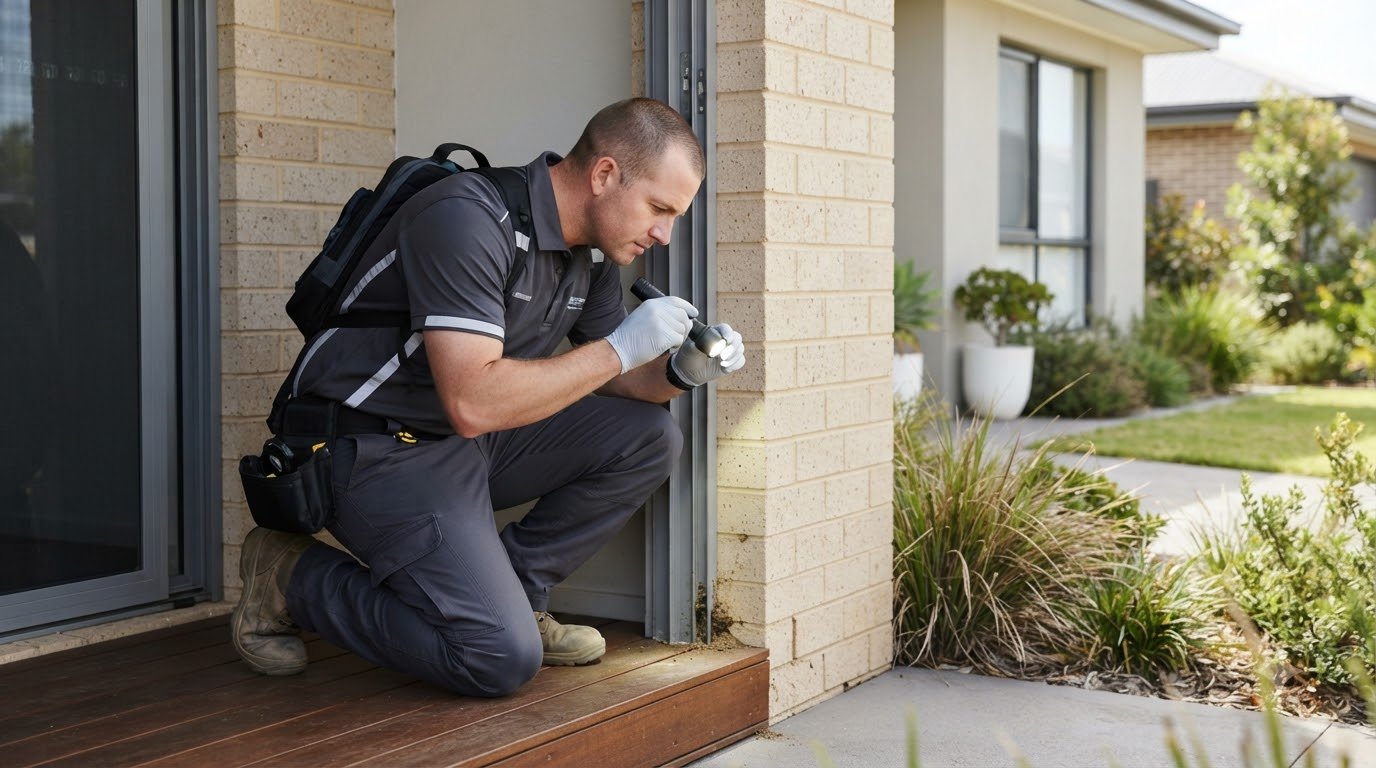
The first step a pest control officer takes is a thorough inspection. Using visual checks, moisture meters, and sometimes thermal imaging, the officer identifies the species involved, the extent of the problem, and the underlying causes such as moisture ingress or food sources. In Australian homes, this often means looking for termite activity in timber frames, ant trails along kitchen countertops, or hidden cockroach habitats behind appliances.
Treatment Planning and Execution
After the inspection, the pest control officer creates a treatment plan that follows Australian standards set by the Australian Pesticides and Veterinary Medicines Authority (APVMA). The plan outlines which products are approved, the safest application methods, and the timing to minimize disruption. For example, a pest control officer might recommend bait stations for ants, low‑toxicity sprays for spiders, or a termite monitoring system that blends with the home’s design.
Follow‑up and Monitoring
Effective pest management does not end after a single spray. A pest control officer schedules follow‑up visits to assess the success of the treatment, adjust dosages if needed, and install monitoring devices. Regular monitoring is especially important for termites, which can cause hidden structural damage over years. By keeping a watchful eye, the pest control officer helps homeowners avoid costly repairs later on.
Australian Regulations That Shape Pest Management
Australia’s approach to pest control is built on strict regulations that protect both people and the environment. The APVMA registers all chemical products, ensuring they meet safety thresholds. Each state and territory also has its own legislation regarding pesticide use, licensing, and record‑keeping. For instance, New South Wales requires pest control officers to hold a specific licence for termite work, while Victoria mandates a written pest management plan for residential properties over a certain size.
- All pesticide products must carry an APVMA label with clear usage instructions.
- Licensed pest control officers must complete annual continuing education to stay current with best practices.
- Local councils often require proof of pest control treatment before granting building permits for extensions or renovations.
- Environmental protection zones, such as coastal reserves, have additional restrictions on chemical applications.
Common Household Pests in Australia and How Officers Tackle Them
Termites
Termites are a major concern in many Australian regions, especially in Queensland and New South Wales where warm, humid conditions accelerate wood decay. A pest control officer will conduct a detailed timber inspection, install bait stations around the property’s perimeter, and may use liquid termiticides applied to the soil beneath the foundation. The officer also advises homeowners on reducing moisture, a key factor that attracts termites.
Ants
Carpenter ants and sugar ants are common in kitchens and outdoor dining areas. The pest control officer identifies food sources, seals entry points, and deploys bait stations that attract ants but protect the rest of the family. In coastal areas, the officer may also address the presence of aggressive fire ants that can sting.
Cockroaches
Cockroaches thrive in warm, moist environments and are often found behind appliances or in bathroom cabinets. A pest control officer uses low‑dose gel baits and targeted sprays that comply with APVMA standards. The officer also recommends regular cleaning routines and proper waste management to deny cockroaches a food supply.
Spiders
Australia’s iconic spiders, such as the redback and funnel‑web, can cause anxiety for many homeowners. A pest control officer conducts a perimeter sweep, applies residual sprays in corners and under eaves, and advises on sealing cracks that spiders use to enter. For families with children, the officer emphasizes non‑toxic options and safe placement of treatments.
Rodents
Rats and mice are attracted to gardens, compost heaps, and stored food. The pest control officer sets up snap traps or humane live traps, and may use rodenticide baits placed in tamper‑proof stations. The officer also inspects for entry points such as gaps around pipes, doors, and windows, recommending steel wool or sealant to block access.
Choosing the Right Local Pest Control Officer
- Verify that the officer holds a current licence from the relevant state authority.
- Ask for proof of APVMA‑approved product use and a clear safety data sheet.
- Look for officers who provide a written inspection report and a detailed treatment plan.
- Choose an officer who understands local climate patterns, such as the wet season in tropical Queensland, which influences pest activity.
- Check online reviews and ask neighbours for recommendations; community feedback is a strong indicator of reliability.
Integrating Pest Management into Home Improvement Projects
When planning a renovation, extension, or garden makeover, it is smart to involve a pest control officer early in the process. The officer can assess the site before work begins, identify any hidden infestations, and advise on construction methods that reduce future pest entry. For example, using termite‑resistant building materials, installing proper drainage to avoid moisture buildup, and sealing all utility penetrations can save homeowners time and money. By aligning pest control with home improvement, the property stays healthier and the investment is protected.
Cost Considerations and Budget Planning
The cost of hiring a pest control officer varies based on the type of pest, the size of the property, and the region. In major cities like Sydney and Melbourne, rates may be higher due to higher living costs, while regional areas often benefit from lower fees. Homeowners should request a detailed quote that separates inspection, treatment, and follow‑up costs. Many pest control officers offer package deals for annual monitoring, which can be more economical than one‑off treatments. Budgeting for regular inspections—typically once a year for termites and twice a year for other pests—helps avoid unexpected emergency calls.
Questions and Answers: Common Questions About pest control officer in Australia
Q: What qualifications does a pest control officer need in New South Wales?
A: In New South Wales, a pest control officer must hold a licence issued by the NSW Environment Protection Authority. The licence requires completion of a nationally recognised training course, a background check, and ongoing professional development each year.
Q: How often should I schedule a pest inspection for a new home in Queensland?
A: For a new home in Queensland, a pest control officer recommends an initial inspection before moving in, followed by a termite inspection every 12 months. In areas with high humidity, a six‑month check for ants and cockroaches can be beneficial.
Q: Can a pest control officer use non‑chemical methods for spider control?
A: Yes, many pest control officers incorporate non‑chemical strategies such as sealing cracks, installing physical barriers, and using natural repellents like citrus oil. These methods are especially popular in families with young children or pets.
Conclusion: Your Path to a Successful pest control officer in Australia
A pest control officer is an essential partner for anyone who wants a healthier, safer home. By understanding local regulations, choosing a qualified professional, and integrating pest management into home improvement plans, Australian homeowners can protect their families, preserve their property value, and enjoy the outdoor lifestyle that defines the country. Start by scheduling a thorough inspection, follow the officer’s recommendations for treatment and prevention, and keep a regular monitoring schedule. With these steps, you’ll create a living environment that stays comfortable, clean, and free from unwanted pests.