
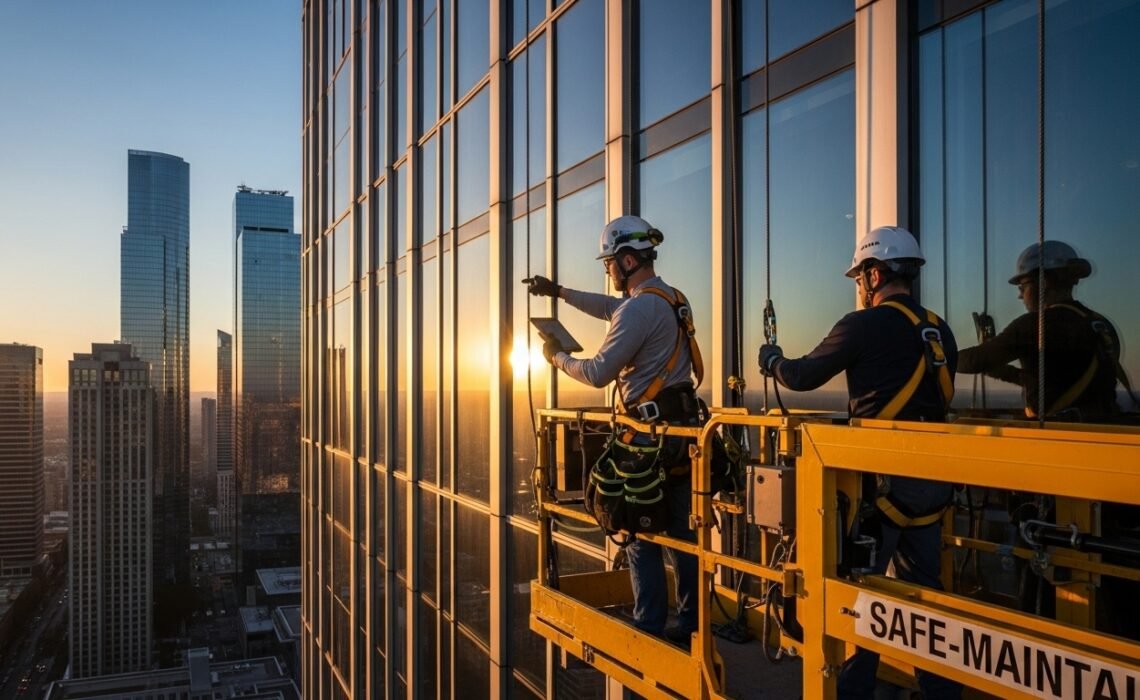
For an electrician, the health of a building’s electrical system is a daily concern. When a building receives regular preventive maintenance, the chance of sudden failures drops dramatically. This means fewer emergency call‑outs, less downtime for tenants, and a safer environment for everyone on the site. In Australia, the cost of a major electrical fire or a blown‑out can run into tens of thousands of dollars, not to mention the impact on reputation. By planning routine inspections, testing, and minor repairs, electricians can keep the whole building running smoothly and protect their own business from costly claims.
Key Components of an Effective Building Maintenance Plan
Electrical System Inspections
A solid building maintenance schedule starts with a thorough inspection of the main switchboard, circuit breakers, and wiring. Electricians should look for signs of wear, corrosion, or overheating. Using a thermal camera can reveal hot spots before they become a fire risk. The inspection should also verify that all connections are tight and that protective devices are correctly rated. Documenting each visit creates a clear record that helps track the age of components and plan replacements at the right time.
Lighting and Fixtures
Lighting is one of the most visible parts of a building’s electrical system. Regular building maintenance includes checking for flickering lights, dimming, and fixture damage. Replacing outdated fluorescent tubes with LED alternatives not only saves energy but also reduces the heat load on the wiring. When a fixture is found to be loose or cracked, it should be repaired or swapped out immediately to avoid a potential shock hazard.
Power Distribution and Safety Devices
Power distribution units, surge protectors, and residual‑current devices (RCDs) are critical for protecting equipment and people. Building maintenance should test RCDs at least once a year to ensure they trip within the required time. Surge protectors need to be inspected for signs of degradation, especially after a lightning storm. Keeping a spare stock of common safety devices on site allows electricians to replace faulty units without delay.
Other Building Systems (HVAC, Plumbing) and Their Interaction
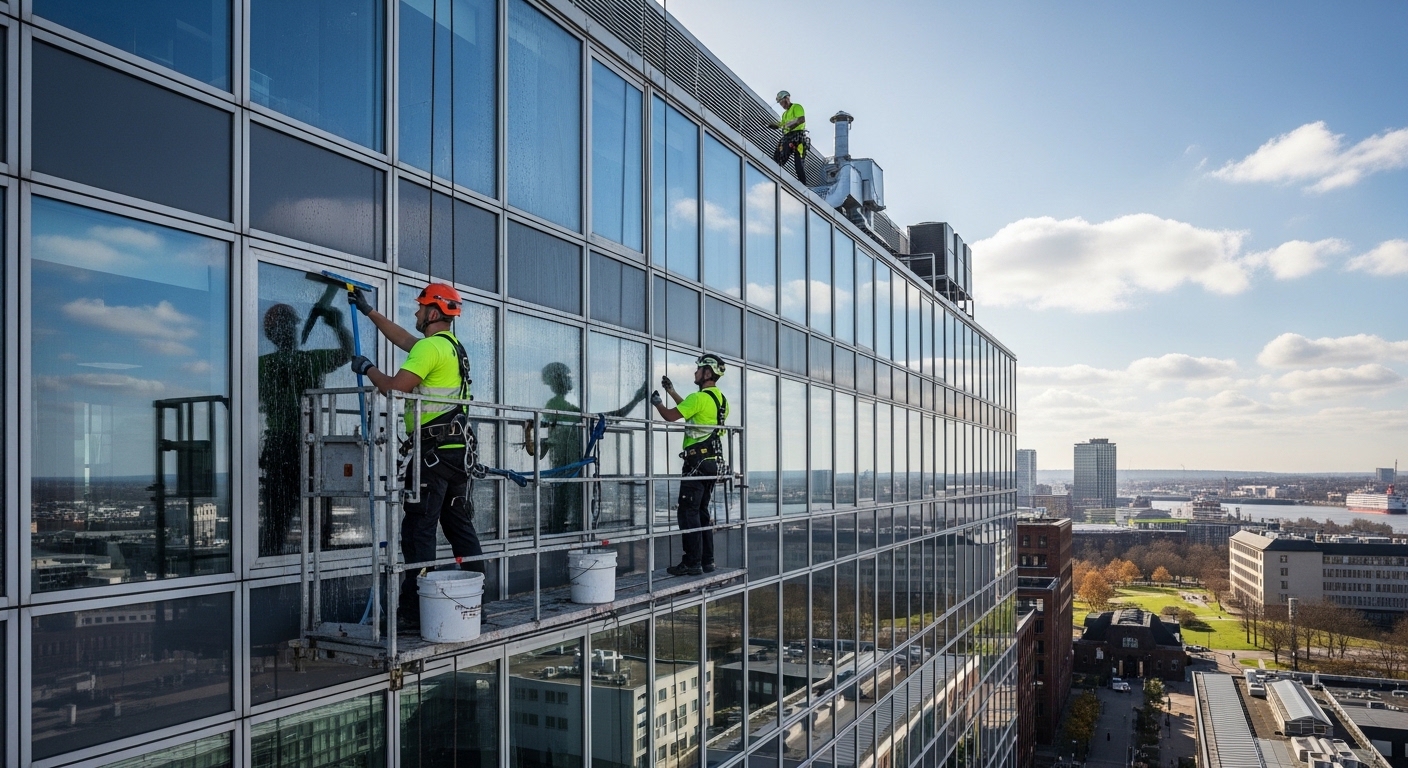
Although the focus is on electrical work, a comprehensive building maintenance plan cannot ignore HVAC, plumbing, and fire‑suppression systems. These systems often share power supplies and control panels. A malfunctioning HVAC fan motor, for example, can overload a circuit and trigger a breaker. Coordinating with other trades ensures that all systems are checked together, reducing the chance of missed issues that could later cause expensive repairs.
Australian Regulations and Standards Every Electrician Should Know
Australia has strict regulations that guide building maintenance, especially for electrical safety. The most relevant standards include:
- AS/NZS 3000 – Wiring Rules: Sets the minimum requirements for electrical installations and maintenance.
- AS/NZS 3760 – Electrical Safety of Appliances: Requires regular testing of portable appliances in commercial buildings.
- National Construction Code (NCC): Includes fire safety and emergency egress requirements that affect electrical design.
- Work Health and Safety (WHS) Act: Mandates risk assessments and safe work practices for electricians on site.
Compliance with these standards not only keeps the building legal but also protects electricians from liability. Regular documentation and sign‑off sheets are essential proof that building maintenance has been performed according to Australian law.
Local Providers and Competitors: How to Choose the Right Partner
When an electrician needs to outsource specialised tasks—such as high‑rise lift testing or large‑scale surge protection—choosing a reliable local provider is key. In major Australian cities like Sydney, Melbourne, and Brisbane, the market includes both large national firms and niche specialists. Here are some factors to consider:
- Certification and Licensing: Verify that the provider holds a valid electrical contractor licence in the state.
- Track Record: Look for case studies or references from similar commercial projects.
- Response Time: Fast emergency response can minimise downtime during a building maintenance incident.
- Pricing Structure: Transparent quotes and clear service‑level agreements help avoid hidden costs.
- Local Knowledge: Providers familiar with regional climate impacts—like Queensland’s humidity or South Australia’s heat—can tailor maintenance plans accordingly.
Practical Tips for Daily Building Maintenance on Site
- Carry a portable multi meter and thermal camera for quick spot checks.
- Log every minor repair in a digital maintenance app to build a history of the building’s health.
- Schedule a brief visual inspection of all switchboards at the start of each shift.
- Check that all emergency lighting batteries are within the recommended charge level.
- Keep a spare set of common fuses and circuit breakers in a secure, labelled cabinet.
- Educate building occupants on safe plug usage to prevent overloads.
Cost Savings: Real‑World Examples from Australian Commercial Buildings
A mid‑size office block in Perth implemented a quarterly building maintenance program focused on electrical safety. Over a three‑year period, the building avoided two major power‑outage incidents that would have cost an estimated $120,000 in lost productivity and repairs. Another example comes from a shopping centre in Adelaide that switched to LED lighting as part of its maintenance plan. The reduced heat load allowed the existing air‑conditioning units to operate more efficiently, cutting energy bills by 15 % and extending the life of the wiring.
Questions and Answers: Common Questions About building maintenance in Australia
Q: What is the recommended frequency for electrical inspections in a commercial building?
A: In most Australian states, a full electrical inspection should be carried out at least once every two years. High‑traffic areas or buildings with older wiring may require annual checks.
Q: What are the most common electrical issues that arise from poor building maintenance?
A: The most frequent problems include loose connections, overloaded circuits, outdated lighting that draws excess current, and damaged protective devices that fail to trip during a fault.
Q: How do climate conditions in different Australian regions influence building maintenance?
A: In humid coastal areas, corrosion on connectors and conduit is a bigger concern, while in hot inland regions, overheating of cables and equipment is more likely. Tailoring maintenance checks to local climate helps prevent region‑specific failures.
Conclusion: Your Path to a Successful building maintenance in Australia
Preventive building maintenance is a practical way for electricians to protect their clients, reduce costly repairs, and stay compliant with Australian standards. By scheduling regular inspections, testing safety devices, and coordinating with other trades, you create a safer, more reliable environment for occupants. Keep detailed records, choose reputable local partners, and adapt your plan to regional climate conditions. These steps not only lower the risk of emergencies but also improve the overall value of the property. Start today by reviewing your current maintenance schedule, identifying gaps, and implementing the practical tips outlined above. A disciplined approach to building maintenance will keep your business thriving and your clients satisfied.