
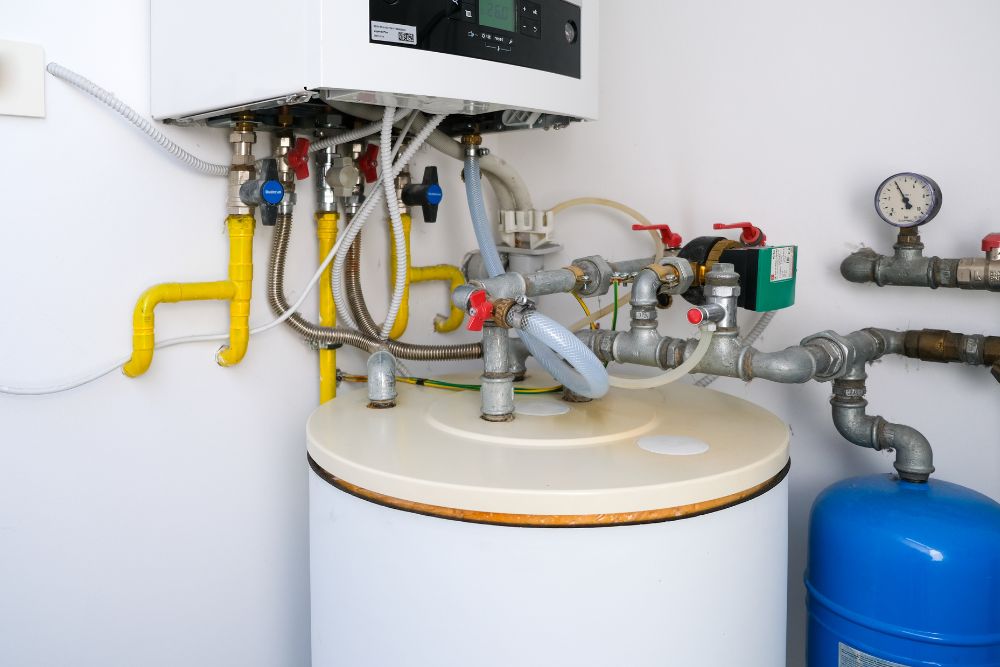
Ever found yourself standing under a freezing cold shower, wondering what went wrong? Or perhaps you’ve opened your energy bill and nearly spat out your morning coffee? Choosing the right hot water system for your Mornington home isn’t as straightforward as it might seem. With so many options available, it’s easy to make decisions you’ll regret for years to come.
Getting your hot water system choice right matters more than most people realise. After all, it’s something you’ll rely on every single day – for showers, washing dishes, doing laundry, and countless other tasks. A poor choice can mean sky-high energy bills, inconsistent water temperatures, or a system that simply can’t keep up with your family’s demands.
In this guide, we’ll walk you through the most common mistakes homeowners make when selecting hot water systems. We’ll cover everything from sizing issues to fuel source considerations, and we’ll help you understand when it’s time to change your hot water system altogether. Whether you’re building a new home or looking to upgrade your existing setup, you’ll find practical advice tailored to life on the Mornington Peninsula.
How Do I Know When to Replace My Hot Water System?
One of the most frequent questions homeowners ask is “how do I know when to replace my hot water system?” The answer isn’t always obvious, but there are several telltale signs that your system is on its last legs.
Warning Signs Your System Is Failing
Keep an eye out for rusty or discoloured water coming from your taps. Strange noises like banging, popping, or rumbling from your tank are red flags too. If you’re noticing inconsistent water temperatures or your hot water runs out faster than usual, these indicate problems. Water pooling around the base of your unit is another clear warning sign that shouldn’t be ignored.
Average Lifespan and Hidden Costs
Different systems have varying lifespans – electric storage tanks typically last 10-15 years, gas systems around 8-12 years, and heat pumps can push 15-20 years with proper care. Many homeowners delay replacement, thinking they’re saving money. However, an ageing system works harder, uses more energy, and becomes increasingly unreliable. The hidden costs of emergency repairs and inflated bills often exceed the cost of planned replacement.
Mistake #1: Ignoring Your Household’s Hot Water Needs
One of the biggest blunders people make is choosing a system that’s either too small or unnecessarily large for their household. Getting the size wrong leads to frustration – either you’re running out of hot water mid-shower, or you’re paying to heat water nobody uses.
Calculating the Right Size
A general rule of thumb suggests 50 litres per person daily for storage systems. A family of four typically needs a 160-250 litre tank, depending on usage patterns. However, this varies based on whether you have teenagers taking marathon showers or energy-conscious adults with quick routines.
Peak Usage Considerations
Think about when your household uses the most hot water. Morning rush hour with everyone showering before work? Evening bath times for the kids? Understanding your peak usage times helps determine whether a continuous flow system might suit you better than traditional storage. Don’t forget about dishwashers and washing machines running simultaneously – these all draw from your hot water supply.
Mistake #2: Not Considering All System Types
Many homeowners simply replace their old system with an identical one without exploring alternatives. This approach misses potential savings and improvements that different technologies offer.
Electric vs Gas vs Solar vs Heat Pump
Each system type has distinct advantages. Electric storage systems are affordable upfront but costly to run. Gas systems heat quickly and efficiently but require gas connections. Solar systems harness free energy from the sun but need backup for cloudy days. Heat pumps are incredibly efficient, using ambient air temperature to heat water.
When to Upgrade Your Gas Hot Water System
If you’re considering whether to upgrade your gas hot water system, think about your current unit’s age and efficiency. Newer gas models are significantly more efficient than those made even ten years ago. Continuous flow gas systems eliminate standby heat loss entirely, only heating water when you need it.
Storage vs Continuous Flow
Storage tanks keep water hot around the clock, which means energy loss even when you’re not using it. Continuous flow systems heat water on demand, potentially saving significant energy. Your choice depends on your usage patterns, available space, and budget.
Mistake #3: Focusing Only on Upfront Costs
It’s tempting to choose the cheapest option when faced with hot water system prices. However, the initial purchase price represents only a fraction of what you’ll spend over the system’s lifetime.
Running Costs and Long-Term Savings
Running costs vary dramatically between system types. Electric storage can cost $500-700 annually to run, while heat pumps might cost just $150-200. Over a 15-year lifespan, that difference adds up to thousands of dollars. When you factor in these ongoing expenses, a pricier upfront investment often makes more financial sense.
Government Rebates in Victoria
Victorian homeowners can access various rebates for energy-efficient hot water systems. The Victorian Energy Upgrades program offers discounts on heat pumps and solar systems. Small-scale Technology Certificates (STCs) can reduce costs by hundreds or even thousands of dollars. Always check current rebate availability before purchasing – they can significantly offset higher upfront costs.
Mistake #4: Overlooking Energy Efficiency Ratings
Energy star ratings exist for a reason, yet many buyers glance right past them. Understanding these ratings helps you make smarter, more economical choices.
Those little stars on appliances indicate efficiency – more stars mean lower running costs. A system with a higher star rating uses less energy to heat the same amount of water. While higher-rated systems typically cost more initially, the energy savings quickly compensate. On the Mornington Peninsula’s variable climate, choosing an efficient system protects you against fluctuating energy prices.
Mistake #5: Choosing the Wrong Fuel Source for Your Location
Not all fuel sources work equally well everywhere. Your location on the Mornington Peninsula significantly impacts which system type suits your property best.
Gas Availability
Natural gas isn’t available in all areas of the Mornington Peninsula. Some suburbs have excellent gas infrastructure, while others rely on LPG bottles or electricity. Before deciding to upgrade your gas hot water system, verify gas availability at your address. LPG can be expensive compared to natural gas, potentially making electric or heat pump systems more economical.
Solar Suitability
Coastal properties on the Peninsula often enjoy excellent solar exposure, making solar hot water systems particularly attractive. However, consider your roof orientation, shading from trees or neighbouring buildings, and whether your roof structure can support solar panels. South-facing roofs in Australia receive less direct sunlight, reducing solar system effectiveness.
Mistake #6: DIY Installation and Skipping Professional Advice
Attempting DIY installation or hiring unqualified installers creates serious problems. Hot water systems involve plumbing, gas fitting, or electrical work – all requiring licensed professionals in Australia.
Why Licensed Installation Matters
Licensed plumbers and gasfitters understand Australian safety regulations thoroughly. Improper installation can void warranties, create safety hazards, and breach building codes. Gas systems particularly require qualified gasfitters to make connections safely. Beyond safety, professional installers provide valuable advice about positioning, ventilation, and system selection tailored to your specific situation.
Mistake #7: Forgetting About Ongoing Maintenance
Installing a hot water system isn’t a “set and forget” situation. Regular maintenance extends system lifespan and maintains efficiency.
Different systems require different maintenance schedules. Storage tanks benefit from annual inspections and periodic sacrificial anode replacement. Solar systems need panel cleaning and pump checks. Heat pumps require filter cleaning and refrigerant level monitoring. Neglecting maintenance shortens system lifespan considerably and reduces efficiency over time.
When Should You Change Your Hot Water System?
Deciding between repair and replacement requires weighing several factors. Generally, if repairs cost more than 50% of a new system’s price, replacement makes more sense. Systems older than 10 years often benefit from replacement rather than expensive repairs.
Best Time to Upgrade
Planning ahead beats emergency replacement every time. Consider upgrading during warmer months when demand is lower and installers have more availability. This timing often means better prices and more installation time flexibility. If you’re thinking about when to change your hot water system, don’t wait until it fails completely – research options beforehand.
Making the Right Choice for Your Mornington Home
Choosing the right hot water system involves balancing multiple factors – household size, fuel availability, upfront costs, running expenses, and environmental considerations. By avoiding the common mistakes we’ve discussed, you’ll make a decision that serves your family well for years to come.
Take time to assess your actual hot water needs before shopping. Consider all system types rather than defaulting to what you’ve always had. Look beyond the price tag to understand lifetime costs, and never underestimate the importance of professional installation and ongoing maintenance.
Your hot water system is a significant investment in your home’s comfort and efficiency. Whether you’re looking to upgrade your gas hot water system or exploring entirely new options, getting expert advice specific to Mornington Peninsula conditions makes all the difference. Make an informed choice today, and you’ll enjoy reliable, efficient hot water for many years ahead.